












Gaines

Historic Childs: The Albion Rotary Club, nearing 100th anniversary, has long been part of Gaines hamlet

Posted 13 July 2021 at 8:34 am

By Doug Farley, Cobblestone Museum Director – Vol. 2 No. 27

GAINES – The Albion Rotary Club is a civic organization about to celebrate its 100th anniversary in 2022, and has been meeting in the Hamlet of Childs at Tillman’s Village Inn for over a quarter of a century.

Twenty one businessmen were originally present and voted in as Charter Members of the Albion Rotary Club on April 20, 1922 at the Lone Star Inn in Albion, located on Gaines Basin Road near the New York Central Railroad tracks. The Lockport Rotary Club served as organizers and the Constitution of the International Rotary Association was adopted.

Albion Rotary members could not have asked for a more elegant meeting headquarters at that time than the Lone Star Inn, one of the finest restaurants in Orleans County in the 1920s. It was created out of the Thurston Farm and had a seating capacity of 450 guests. It was owned and operated by Lewis E. Sands of Albion and for a time, was also operated by Art Case who used to manage the old Lakeside Hotel in Lakeside Park.

It was said that the Inn had such a large following that often three cash registers were needed to handle all of the guests present. Live music was frequently provided by some of the best bands in the area. A large porch was used as an additional dining area in nice weather, where many a lobster, fillet mignon, broiled shrimp and other house specialties were served with vistas of the beautiful flower gardens around the lawn.

The Rotary Club continued to meet there for several years, until a disastrous fire destroyed the Lone Star Inn on Friday, November 28, 1930.  After that time, the property was sold to New York State and served as a Prison Farm.  (Needless to say, no longer a suitable locale for Rotary meetings!)

The Rotary Club assembled for this photo in the 1930s in front of Four Chimneys Restaurant at Eagle Harbor.  It can be noted that the ladies present would have been guests of the Rotarians as it was a men’s organization at that time.  (Rotary Club International changed its policies in the 1980s to begin allowing women to become Rotary members.)

Ladies: L_R: —–, —-, —-, Marjorie Garnett Weller Pauley, Enid Strassner Hakes, —-, —-, —-, and Albertine Garrison.

Gentlemen seated L-R: William Karns, Monuments; Eugene Wilcox, Hardware; Herman Neuremburg, Clothing; Charles Dean, Produce; and Nelson Barrus, Dry Cleaning.

Second Row: Earl Sullivan, Carpenter; John Mansfield, Farmer; Clayton Anderson, Beans; James Lonergan, Journalist;  John Kane, Vinegar; Dr. Cramer, Dentist; Amos Beedon,  Dry Goods; Dr. Ralph Brodie, M.D.; John VanStone, Car Dealer; and Kirk Cole, Lumberman.

Third Row: William Luttenton (guest), Carl Bergerson, School Superintendent;  Henry Anderson,Albion Brass Works; James Craffey, Insurance; Stanley Woods, Feed; Edward Archbald, Fruit Farmer; Burt McNall, Furniture & Embalming;  Sidney Eddy, Printing; Dart Porter, Insurance; and Howard Woods, Miller.

This picture taken of the Albion Rotary Club taken in Rotary Year 1959-60 is a veritable “Who’s-Who” of local businessmen at that time.

Row 1 (L-R) Bill Monacelli, teacher & Mayor; Don Nesbitt, Farmer; Charles Martina, theater owner; Burr Trumble, travel agent; —-Unidentified—, Harlan Harvey, Wells Harrison, car dealer; Jacob Schanels, Hunt Canning Factory; Dr. Bob Raemsch, veterinarian; Guido Monacelli, grocery store; Dr. Thomas Orlando, dentist; George Brunelle, insurance.

Row 2: Hon. Charles Signor, County Judge; Charles Byrne, Birdseye Laboratory; Franklin Cropsey, Attorney; Stanley Landauer, dry goods; Richard Fenton, Bemis Bag Co.; Bill Snowen, Firestone Tire Store; Sidney Eddy, Printing; Dr. James Parke, M.D.; Bob Babbitt, hardware; Ed Archbald, farmer.

Row 3: Brad Shelp, car agency; Neal Beach, Winson Hatch, Dept. of Labor; Thomas Heard, Jr., Marine Bank; R.E. Greenlee, Hunts plant; Carl Bergerson, School Superintendent; Roland Kast, service station; Dr. John Ellis, M.D.; Dr. John Jackson, dentist.

Row 4. Bob Root, insurance; Thomas McNall, Furniture/Funeral Director; Arthur (Dick) Eddy, printing; Richard Hollenbeck, Skip Landauer, dry goods; George Lamont, farmer; Richard Bloom, insurance; Bill Host, School administrator; Albert Raymond, insurance; Francis Blake Jr., Cold Storage.

Row 5: Len Morneau, Lipton’s Company; Lee Maine, Lumber Co.; Leonard Depzinski, sign painter; Daniel Marquart, appliances store; Homer Marple, furniture; Ray Severns, auto sales; Sam Shelp, auto agency.

Row 6: Roy Merrill, Funeral Home; Gordon Gardner, pharmacist; Walter Martin, James Lonergan, journalist; Henry Keeler, construction; Carlton Wilkinson, electrical store; John Merrill, Funeral Director; Harold Farnsworth, Rev. Earle Hamlin, Frank Sachali, produce; Rev. Jack Hillary Smith.

Inset: Homer Luttenton who was absent from the group photo.

In the same decade, The Albion Rotary Club members participated in an annual Variety Show for many years.  One of the “acts” is seen here with (left) Homer Marple, Tom McNall, Winton Hatch and Bob Raemsch.

It was all good natured fun and even the ladies got into the spirit of entertainment: (left) Norma Marquart, Ray Severns, Marilyn Brunelle and Sue Eddy.

The Albion Rotary Club observed its 50th Anniversary with a special Golden Anniversary celebration on May 25,, 1972 at the Fireman’s Recreation Hall in Albion.  Taking part in the evening’s program were (Front) Rotary District Governor Dan Mitchell and Mrs. Mitchell of Amherst, District Governor and Mrs. Bob Reader of Auckland, New Zealand, (back row) Roy Merrill, Albion Rotary Past President and his son, John Merrill, Club President in the Anniversary Year, and Sidney Eddy, Charter Member from 1922.  The Merrill’s were one of several father-son presidents in the Club’s history.

In 1979, the Rotarians gathered for this Club photo outside the Albion Courthouse.

Front Row:  Conrad Cropsey, Rollie Kast, Wells Harrison, Bob Temple, Frenchy Downey, Dick Pilon (Club President 1979), Jim Nesbitt, Pete Dragon.

Second Row: Winton Hatch, Ashley Ward, Dick Eddy, Don Shawver, Bob Remley, Brad Shelp, John Stable, John Koval, Steve Heard.

Third Row: John Merrill, Don Nesbitt, Sam Shelp, Bruce Smith, Leonard Rice, Carlton Wilkinson, Roy Merrill, Erling Maine, Norm Phillips, Merritt London.

Fourth Row:  Harlan Harvey, George Wolfe, Curtis Lyman, Jeff Rheinwald, Bob Babbitt, Tom Heard, Lee Maine, Franklin Cropsey, Al Raymond, Jarvis Swartz, Sid Eddy, Carl Bergerson, Joe Sadler.

Dick Pilon, a 55 year Albion Rotary Club member this June, offered his reflections on meeting venues during his tenure. “The first place we met when I started was the Presbyterian Church in Albion, then Marti’s Restaurant for a short time, then we went to the Methodist Church for 20 years, then Albanese Restaurant for a couple of years and finally to the Village Inn in the 1980s.”

Another milestone was reached in the Rotary year 1986-87 when Diane Arsenault was the first woman admitted as a member of the Albion Rotary Club.  Today, there is about equal representation with men and women.

Rotary members gathered for this group photo in 1994 at Tillman’s Village Inn.  Those attending are:

(Seated L-R) John Greene, Chris Haines, John Stable, Ed Archbald, Al Raymond, Rollie Kast, Jim Nesbitt

Row 2: Bruce Landis, Tom Anderson, Brad Shelp, Dick Eddy, Nathan Lyman, Paul Miles, Lynn Phillips, Ashely Ward, Don Nesbit

Row 3: Mark Reed, Ron Sodoma, Don Butts, Dick Pilon, Darlene Benton, Frenchy Downey, Fred Nesbitt Stan Allen

Row 4: Ed Fancher, Jim Neilans, Mike Pilon, Ed Guthrie, Jeff Hanes, Dan Marquart, Don Bishop.

The Rotary Club assembled wearing red for a meeting in February 2015 to promote heart health. Those assembled included: (Seated L-R) Fred Nesbitt, Don Bishop, Bruce Landis, Marlee Diehl and Mary Anne Braunbach. (Standing) Dick Remley, Bonnie Malakie, Marsha Rivers, Tammy Yaskulski, President Bill Diehl, Ron LaGamba, Brad Shelp and Maynard Lowry from Lockport Rotary. Rotarian Brad Shelp is the Albion Club’s most tenured member. He started with Rotary in 1958 and will have 63 years of perfect attendance this August. Marlee Diehl represented the Albion club as District Governor in 2016-17, with a theme that year of “Serving Humanity.”

Beginning in 1975, the Albion Rotary Club presented its first Paul Harris Award, a tradition that continues through today that honors individuals, both members and non-members, who have made outstanding contributions to their communities. The first recipient in 1975 was charter member Sidney Eddy.  Since that time, the Albion Rotary Club has recognized 75 individuals as Paul Harris Fellows, the highest honor bestowed by Rotary International. Those so recognized are (in alphabetical order):

Ahmad Abdallah, Marian M. Adrian, Stanley Allen, Edward B Archbald, Timothy Archer, Diane L Arsenault, Carl Bergerson, Donald W. Bishop, Harriett Bishop, Richard C Bloom, Michael J. Bonafede, Michael Bonnewell, Donald Butts, Sanford A. Church, Sanford L. Church, Conrad Cropsey, Grace E. Denniston, Marlene Marlee Diehl, William F. Diehl, Kevin Doherty, Everett G. Downey, William F. Downey, Arthur B. Eddy, Sidney M. Eddy, Edward Fancher, Mildred Gavenda, Ada Grabowski, George P Guthrie, Christopher P. Haines, R Wells Harrison, Harlan E. Harvey, Winton P Hatch, Thomas E. Heard, Jr., Scott Hess, Rebekah Karls, Rolland W. Kast, Teresa M. Kelly, Kelly Melinda Kiebala, Alexandra R. Krebs, Bruce Landis, Cary W. Lattin, Leo La Croix, Raymond M. Lissow, Kathleen R. Ludwick, Curtis L Lyman, Evelyn L. Lyman, Erling W. Maine, F. Leland Maine, Bonnie B. Malakie, John B Merrill, Rho B. Mitchell, Sharon  Narburgh, James R. Neilans, Charles H. Nesbitt, Fred W. Nesbitt, Jerome Pawlak, Margaret A. Pearson, Cindy Perry, Michael R. Pilon, Richard Pilon, Charles Pulley, Albert C. Raymond, Francis Richard Remley, Thomas Rivers, Gary A. Saunders, Patricia M Shelp, Bradley J. Shelp, Walter A Shelp, Gary Simboli, David G. Spierdowis, Susan A. Starkweather, Ashley R. Ward, William Morrell Washington, Jr., Patricia J Wood, Tammy Yaskulski.

Editor’s Note: Since this article was initially posted, more Paul Harris award winners were identified, including Cary W. (Bill) Lattin, Karen Sawicz, Jim Parke, Paul Miles, Don Nesbitt, Ron Sodoma, Gordy Gardner, Nathan Lyman, Gail Lyman and Bill Tillman.

In 2019, the Albion Rotary Club named Becky Karls, center, as a Paul Harris Fellow. Karls is congratulated at a club meeting at the Village Inn by Rotarians Cindy Perry, left, and Don Bishop, Rotary Foundation Chairperson; right. Bishop called Karls “the secret ingredient of the Albion Rotary Club.” She is instrumental each year in many of the club’s fundraisers, including the St. Patrick’s Ham Dinner, the Turtle Race at the Strawberry Festival, the golf tournament and the fishing derby. Karls also is active with many other community efforts, including organizing the car show at Bullard Park as a fundraiser for Hospice of Orleans County (now known as Supportive Care of Orleans County).

The Albion Rotary Club has been a sponsor of the Albion Strawberry Festival since 1986. The success of this annual event depends on the many Rotary members, as well as community members, who oversee the event each year.  Thousands of visitors flock to the two-day event that plays out across downtown Albion.

The poster above shows the logo for the 2020 festival which had to be cancelled due to Covid-19 health restrictions.  The Rotary Club is hopeful that the event will return in full swing for 2022.  The Club maintains several other community events each year such as the Rotary Fishing Derby, St. Patrick’s Day Ham Dinner, and the Rotary Golf Tournament.
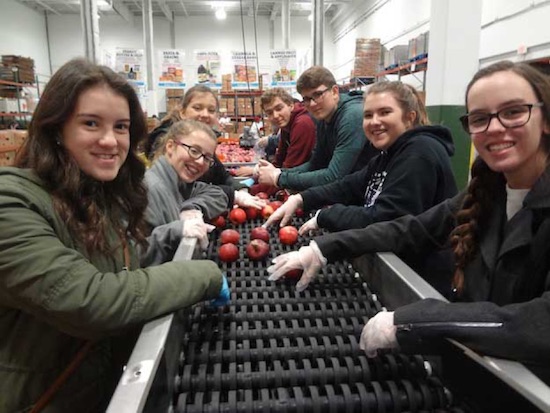
The Club also sponsors Interact, a group of Albion High School students led by advisor Tim Archer. In 2017, Albion Rotary Interact members spent the day at Foodlink in Rochester. Pictured from left: McKenna Boyer, Alanna Holman, Emily Mergler, Noah Wadhams, Cody Wilson, Aubrey Boyer and Annalise Steier. Over the years, the Albion Rotary Club has also been very active in sending and receiving students and adults for overseas foreign exchange opportunities.

Over the years, Albion Rotary has been a sponsor for many youth sports teams, providing uniforms, leadership and much more. Perhaps you can lay claim to one of these “sluggers” from 1988.
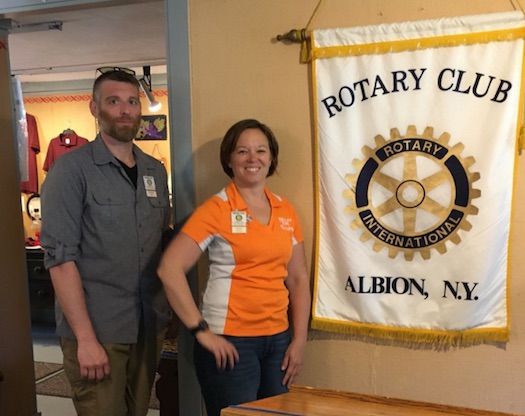
Albion Rotary’s two newest members, Robert Batt, Executive Director of Orleans County Cooperative Extension and Laura Olinger, President of Bentley Brothers, are welcomed to the Club on June 10, 2021.

Incoming Albion Rotary Club President for 2021, Jessica Capurso, accepts the gavel from outgoing President Alexandra Krebs.  The Club held their Installation Service outdoors at the Cobblestone Museum in Childs at a potluck luncheon meeting on Thursday, June 24.  Many thanks to Kendall Lions Club who provided the tent.

Cobblestone Museum plans several summer events

By Ginny Kropf, correspondent Posted 7 July 2021 at 8:44 am

Concert, art show, trivia night and painting classes all in the works

Photo by Tom Rivers: Mike Deniz of Fairport plays the violin during an April 2019 performance by Elderberry Jam at the Cobblestone Church in the Gaines hamlet of Childs. The group will be back for another concert this summer.

CHILDS – The Cobblestone Museum will welcome guests July 17 for an open house and unique fundraiser.

The museum will be open from 10 a.m. to 3 p.m. when Upstate Bottle Return will be on site with a truck and an attendant to accept empty cans and bottles from visitors. There is no need to count empties. Upstate will donate the full refund for all cans and bottles collected to the museum.

All buildings on the Cobblestone Museum grounds will be open at no charge for this open house event.
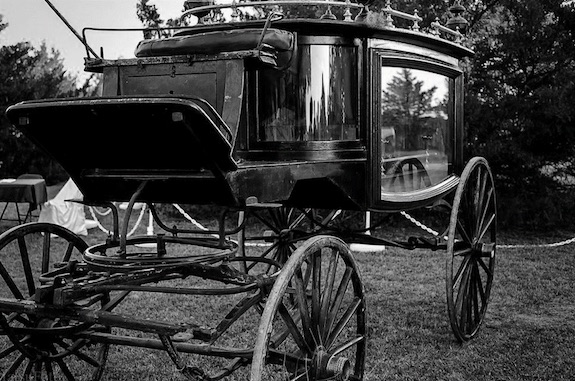
“You can visit any or all of our buildings, including the newly acquired c.1920s  Vagg home,” said Doug Farley, museum director.

While at the museum visitors are also encouraged to watch artisans at work in the Blacksmith Shop and Print Shop. Dubby’s Wood Fired Pizza will be on site to sell wood-fired pizzas for lunch.

The public is also reminded they can take their cans and bottles to any Upstate Bottle Return site at any time and just mention the Cobblestone Museum. Full proceeds will be donated to the museum’s fundraising account.

“This will go a long way toward helping us throughout the year,” Farley said.

Farley also announced the Cobblestone Museum will again collaborate with local artist Pat Greene to offer a series of oil and acrylic painting classes. This year, the classes will be taught outdoors at local scenic venues throughout Orleans County. The sites themselves will serve as the background for the painting session. Subject matter will feature clouds, foliage and water, which are all affected differently by light, Greene explained.

The first class on July 24 will take place (weather permitting) at Robin Hill Nature Preserve in Lyndonville. Students will supply some of their own materials. Greene will provide a list of supplies needed for outdoor painting. Cost for each session is $25 for Cobblestone Museum members and $30 for all others. An art exhibit of student work will follow later in the year at the Cobblestone Museum.

On Aug. 8, the family of the late Al Capurso invites friends to a celebration of his life at 1 p.m. at the Gaines Basin Schoolhouse on Gaines Basin Road, which he was involved in restoring. The schoolhouse is located just north of the canal bridge.

Other summer events at the Cobblestone Museum include plans for a Cobblestone Trivia Night series, hosted by Maarit Vaga; a Victorian Mourning Art Online Exhibit beginning Sept. 1; a fundraising concert featuring Elderberry Jam at a date to be announced; and the annual Cobblestone Membership Fundraising dinner Sept. 15 at Carlton Recreation Hall.
Details on these events will be announced at a later date.

Historic Childs: Early Education, a feature on 12 public schools in the Town of Gaines

Posted 4 July 2021 at 8:13 am

6 of the schools were built of cobblestone, and 11 of 12 are still standing

By Doug Farley, Cobblestone Museum Director – Vol. 2 No. 26

This article is in memory of Janice Barnum Thaine (1927-2013) and Ruth Thaine Applegate (1914-1984) who spent many years retelling the old stories and providing much of the information on this subject.

As families began to settle in the Town of Gaines, the need to educate their children was close to the top of the list of things “to-do.” By 1813, a decision was reached to organize a school. It was further agreed that Orrin Gleason would teach the children in a 12’ log building on the Gates property near the corner of Eagle Harbor Road and the Ridge.

A short while later, another school was opened at the Belmont property between Gaines and Childs to accommodate the children living in that area.  More and more people moved into the town and an ongoing concern was to provide schools to accommodate the children who arrived with their parents. A rule of thumb was a student shouldn’t have to walk more than a mile each way, to and from school. The schools were at first, very simple, sometimes just log cabins, some without such “niceties” as an outhouse. The schools used a slightly different system than used today to raise funds to pay the teacher and provide fuel for heating, a tax was placed on the families whose children used the schools.

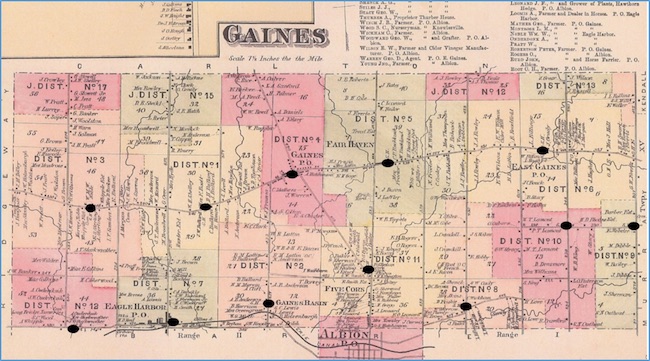
By the mid-19th century these early crude buildings had been replaced by more substantial structures, some of which are still in existence today. Eventually 12 school districts were established in the Town of Gaines. The northern portion of Gaines was serviced by school districts in the Town of Carlton including Districts 12, 13, 15 and 17.  In total, six of the 12 schools in Gaines were built with cobblestone, a statistic that appears to be unmatched by any other township. Five of the original six cobblestone schools are still in existence today.

In the early 20th century, New York State had by then established the standards that pertained to all schools in the state. Local residents lost much of their self-determination as to what was taught or how funds would be raised, with the burden of taxation now spread out over all property owners in a district, not just the families of students attending the schools.

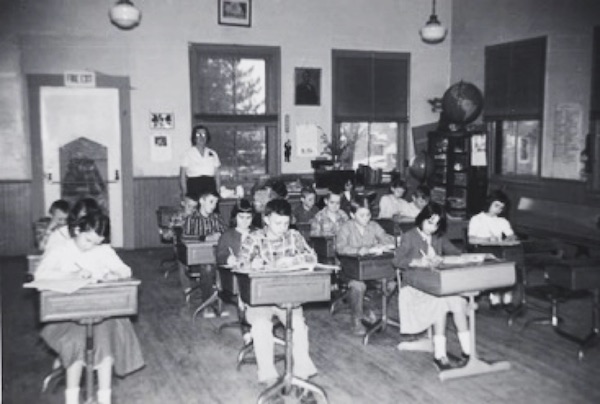
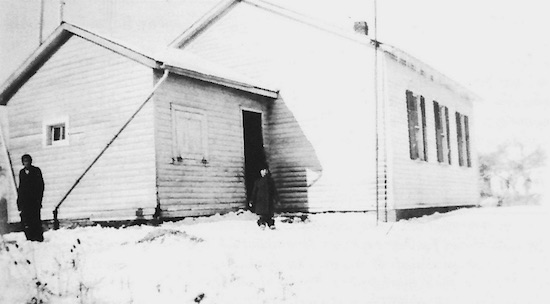
Beginning in the 1920s, the twelve small school districts in the town were closed, one by one as “centralization” took place.  By 1953, the Albion Central School District was complete and the small districts were eliminated.  A few of the old school buildings remained active as part of the larger Albion Central District. The last of the “hangers-on” was the former Eagle Harbor #7, shown above in 1953, which closed in 1963.

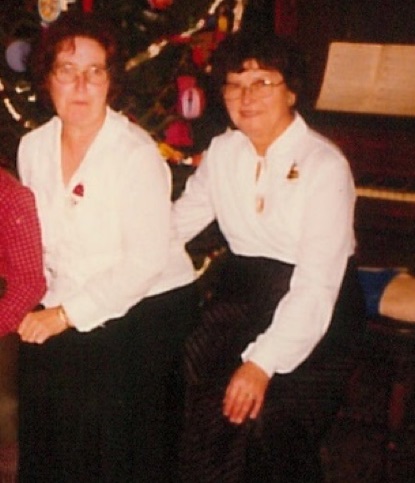
The fond memories of thousands of former country school students like Janice Barnum Thaine, left, or teachers like Ruth Thaine Applegate, shown right, can never be completely retold. Everyone has their own special set of recollections and friendships made.

Janice Thaine recalled: “I remember the school picnics, the field trips that really were trips to a field, the entertainments provided to parents and the community at each holiday, and especially Christmas. I enjoyed the baseball games, the state tests that came twice a year from Albany and we had to pass in order to be promoted. I remember the teacher asking us to behave whenever the District Superintendent appeared at the door.

“I like sharing my school lunches, making May flower baskets, tipping over neighborhood outhouses on Halloween, riding our bikes, roller skating or walking to and from school each day or hanging around outside the school while our parents attended the Annual School Meeting, hoping to find out if the present teacher might be replaced next year. We also tried to get everyone to write in our autograph book, working in the school newspaper and of course, above all, doing our assigned lessons! All of this was done under the watchful eye and loving care of the one room schoolhouse teacher.”

Photo courtesy Orleans County Historian

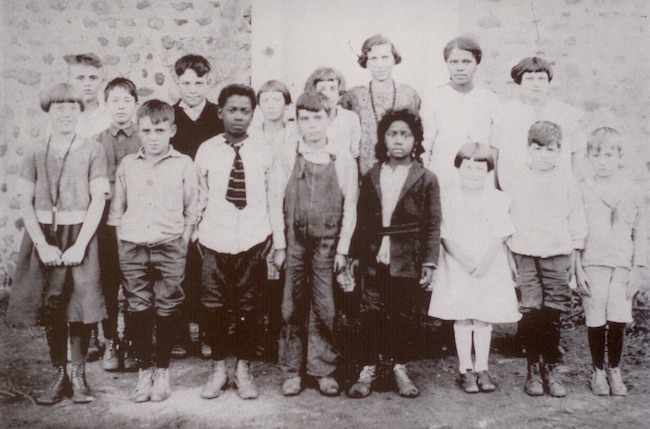
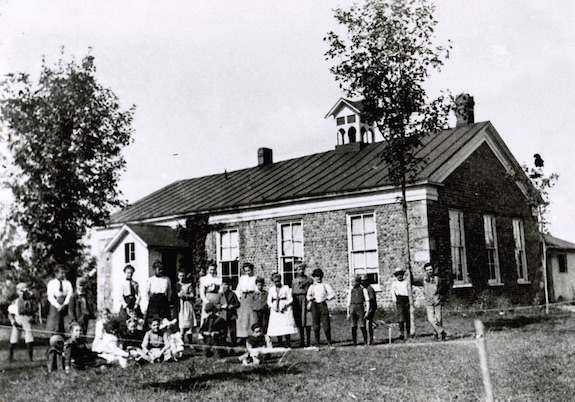
If you were to take a tour today and look for all twelve school houses in the Town of Gaines you could still find eleven. Some have stood the test of time very well, and some are just shadows of bygone glory. Only one is completely gone. District #1 School is a cobblestone building, located next to Frenchy’s Appliance store at 13592 Ridge Road.  The class photo for 1924-25 is shown.

Front Row: Lilian Lacey, Louis Hollenbeck, Augustus (Gus) Watts, Harold Rush, Linwood Watts, Pauline Hollenbeck, Luther Rush and John Lacey.

Back Row: Morris Hollenbeck, LaVerne Morrison, Gordon Wakefield, Frieda Hollenbeck (Hobbs), Helen Rush (Brust), Clara Hall (Rorick), Mary Watts (teacher) and Grace Neal (Draper).

Jacqueline and Bill Bixler recently acquired the District #1 Cobblestone School and have been busy restoring it for use as a residence.

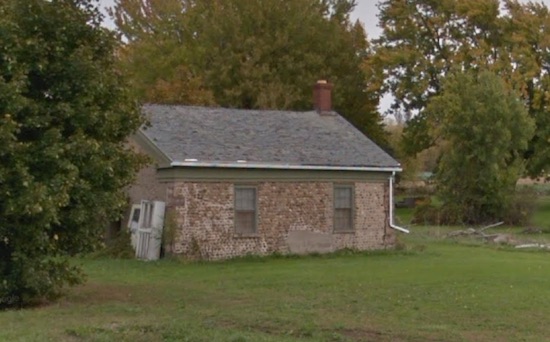
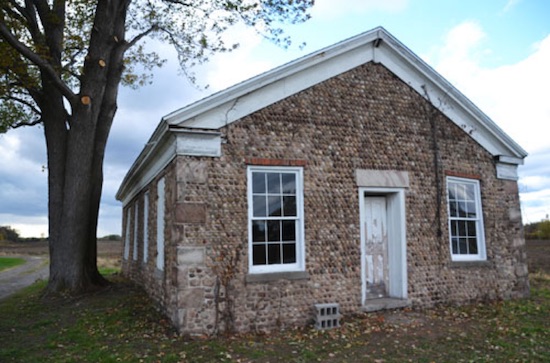
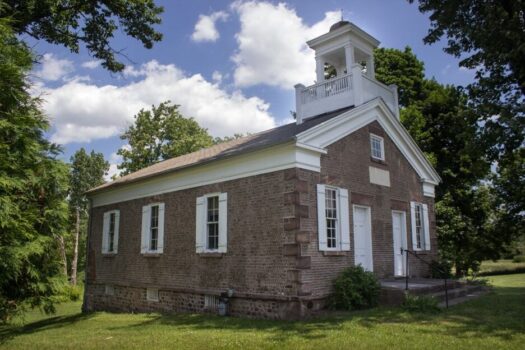
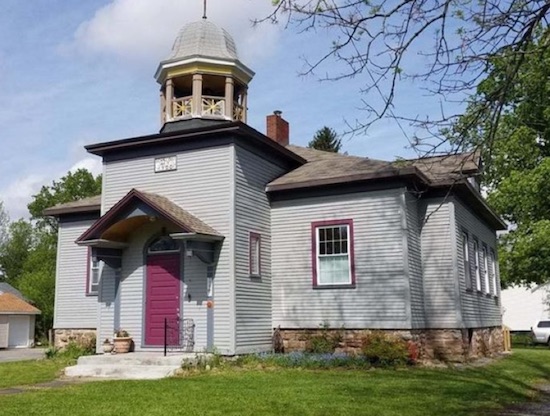
District #2 Cobblestone School on Gaines Basin Road was used as a one room schoolhouse from 1832 until 1942. This picture was taken in 2015 just prior to complete restoration.

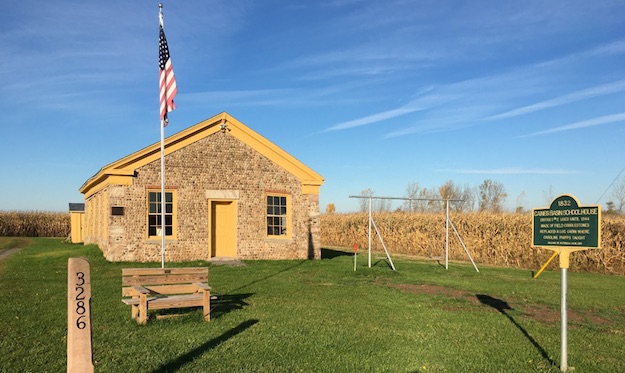
A sparkling gem today, Gaines Basin District #2 school, built in 1832 has become a huge preservation/restoration success story. This Cobblestone Schoolhouse just north of the Erie Canal stands as a memorial to recently deceased historian, Al Capurso, who spearheaded the acquisition of this property, and to the history conscious men and women of the Orleans County Historical Association who restored it to become a State and National Register historic showcase. Special thanks, as well, to Jim Panek, who donated this school-turned-farm storage building to the Association. It is the oldest documented cobblestone building in our region.

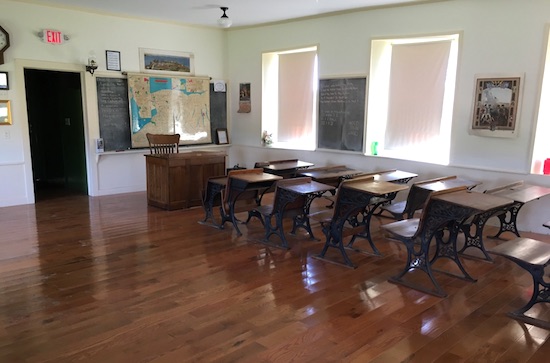
The interior of District #2 is equally impressive as the outside. OCHA has plans to use the space for meetings, history programs and small social gatherings.

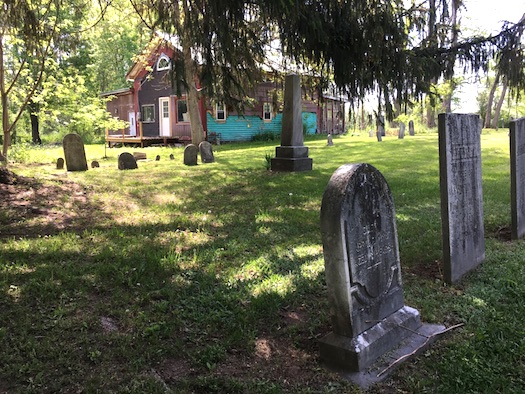
District #3 Schoolhouse is located next to the West Gaines Cemetery, on the south side of Ridge Road. The current owner is restoring the building.  The adjoining cemetery has been inactive for nearly a century.

Students and teachers are shown at the Gaines District #4 Cobblestone School at the corner of Routes 104 and 279 around 1905.  The Trustee of this school assumed the title to the property on July 9, 1844 for the sum of $65.

A more recent view of the District #4 Cobblestone schoolhouse is shown here as a motorcycle clubhouse.

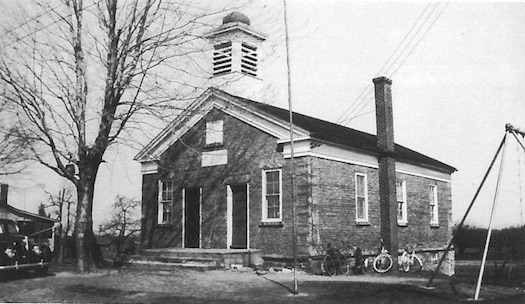
The Childs District #5 Cobblestone Schoolhouse as it appeared on April 21, 1942.  The school continued for another decade and is a National Historic Landmark today.

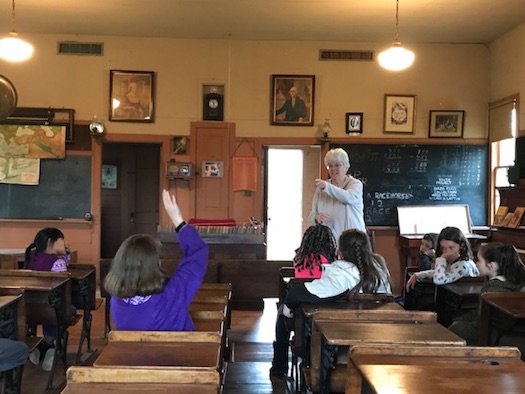
The Cobblestone Museum conducts tours in the District #5 schoolhouse which is preserved and looks just like it did when the students last attended in 1952. Docent Sandy Heise speaks to a group of students inside the school in this 2019 photo.

An unusual feature of the District #5 structure is that it is actually a wood plank building with a veneer of cobblestones.

District #6 School is the only one of the original 12 district schools in Gaines that is completely gone today. It was located on the north side of the Ridge Road west of Kent Road.  The structure was later used for farm storage and then was removed in more recent times.

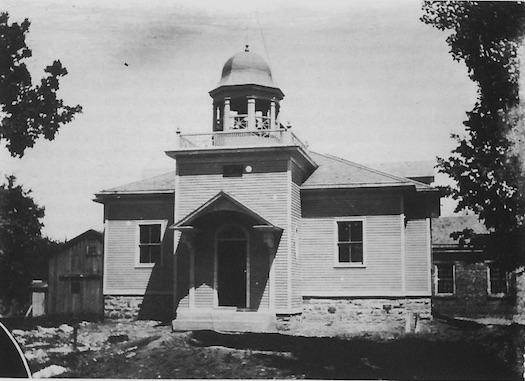
District #7 in Eagle Harbor had at least three structures that were used as schools over the years. The first school was a simple log cabin, followed by a cobblestone building (shown to right of photo) and then a wooden structure (front) under construction here in 1900, which in later years served as a Post Office and Community Center. The cobblestone building was torn down once the new wooden building was complete.

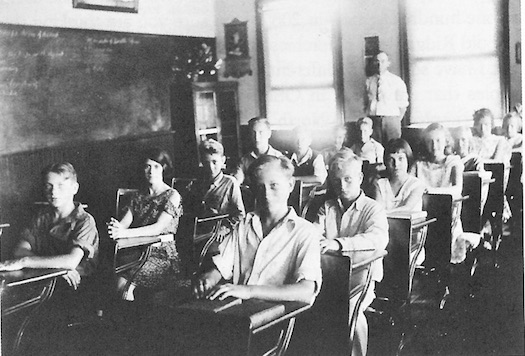
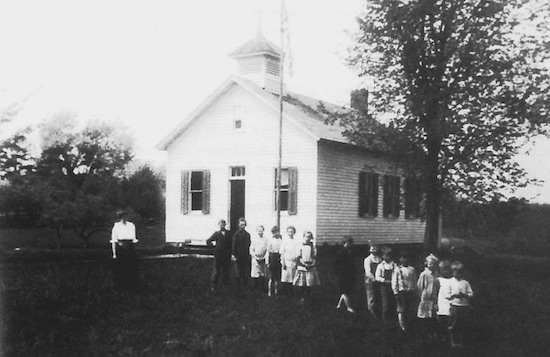
This photo of District #7 in Eagle Harbor was taken in 1931.

Left Row, Front to Back: Victor Whiting, Ruth Emery, Robert Webber, Cleon Whiting, Avery Brooks (or Dean), Adeline Bielicki and Harry Whiting.

Right Row: Robert Brooks, Nicholas Condoluci, Leona Licht, Caryl Hill, Jean Sullivan, Louise Cooper and Alice Briggs.

Standing: J. Howard Pratt, Teacher.

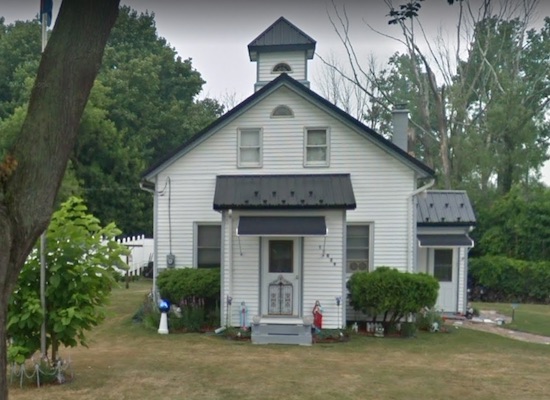
Today, District #7 Schoolhouse is a private residence.

This 1934 photo shows the Rudd’s Corners District #8 school in the early 1900s.

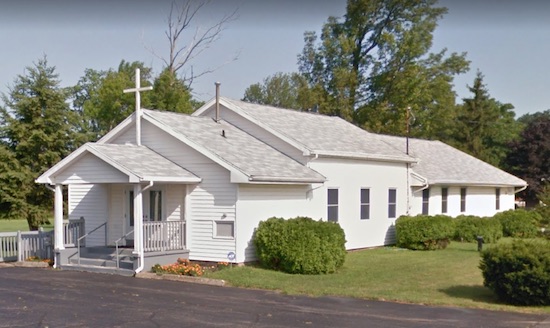
District #8 Rudd’s Corners School at the intersection of Crandall and Zig Zag Roads, has received several additions and is used today as the Shiloh Baptist Church. The section shown above with the higher roof was the actual original schoolhouse.

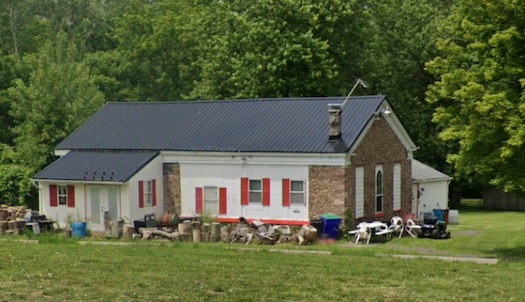
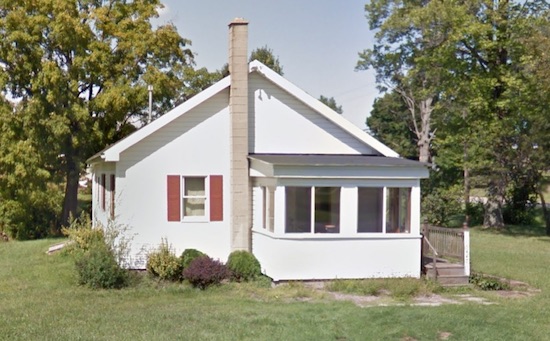
District #9 on the northwest corner of the intersection of Transit and Transit Church Roads is a private home today.

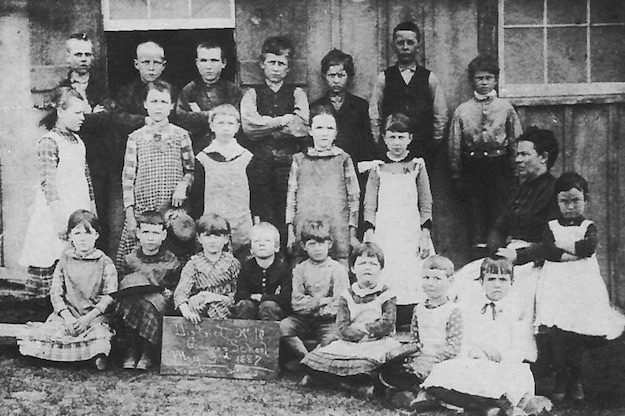
Students of District #10 in East Gaines pose with their teacher, Kate Smith on May 3, 1887. We are not sure the students posed by the schoolhouse but rather some other building.

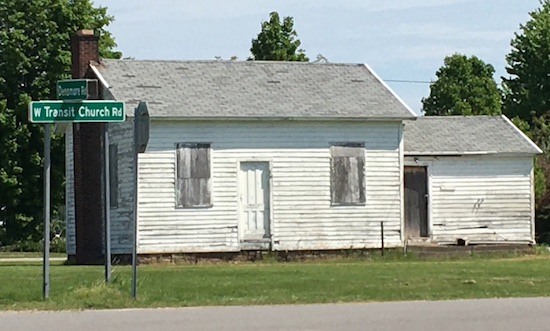
District #10 located at the crossroads of W. Transit Church and Densmore Roads is found today at the Kast Farm and is used for farm purposes.

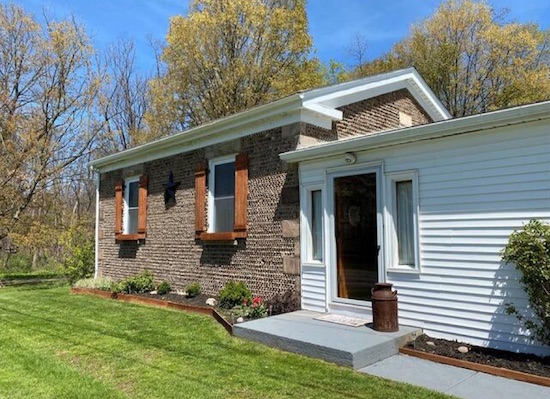
District #11 Cobblestone School at Five Corners is a private residence today. Note the date stone in the cobblestone gable reads 1846.

This schoolhouse, Eagle Harbor District #12, was located west of Eagle Harbor near the corner of Knowlesville and Kenyonville Roads. Students are shown with their teacher, Helen Seivert (Mrs. Louis Basinait).

Completing the tour we find District #12 on the north side of Eagle Harbor-Knowlesville Road, just east of Kenyonville Road, which has also become a home today.

Historic Childs: J. Howard Pratt, esteemed local historian (Part 2)

Posted 29 June 2021 at 8:19 am

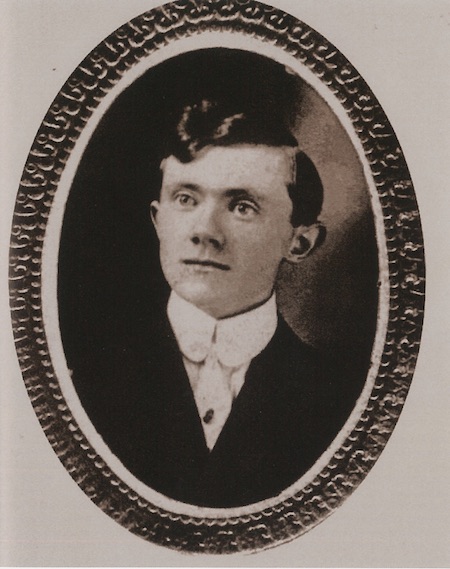
J. Howard Pratt c. 1910 – Courtesy Orleans County Historian

By Doug Farley, Cobblestone Museum Director

Vol. 2 No. 25

GAINES – This is the second article about historian J. Howard Pratt. Mr. Pratt was born on August 15, 1889. In 1980, at the age of 91, Howard sat for an audio recording session conducted by Orleans County Historical Association in 1980.

The following reminiscences have been transcribed from that session.  The full audio and text file is available online.

 Sickness, Quarantine and Vaccination

(As told by J. Howard Pratt – August 6, 1980.)

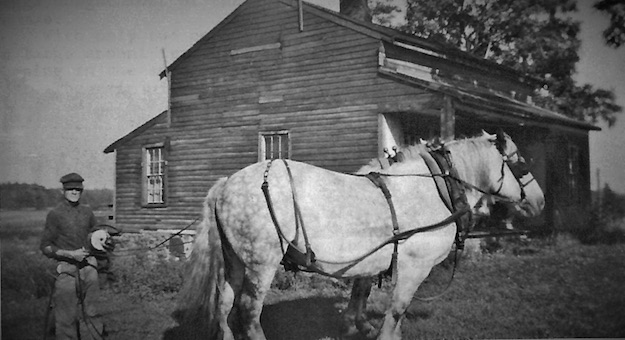
J. Howard Pratt at his family farm with his team of Percheron horses, c. 1920

Well the home today is much different and much is missing in the modern home compared to what it used to be when I was a boy. This old house was probably placed here and added to about 1845 and it’s been the home of the Pratt family, with my grandfather living and dying here, my uncle living here and I’ve been living here for 85 years; so it’s an old family home. The home is much different than today in the things that transpired within the home, too.

In the case of sickness, we had no great buildings and great hospitals to go to. The home was the hospital. It was the place where you lived and died. When you became sick, some of the family drove a horse to Gaines to get Doctor Eaman, or to Knowlesville to get a doctor from there, or from Eagle Harbor, or Waterport. All little towns had doctors in those olden days.

I’m going to take a typical case when I was sick because I remember going through all of these things: a sick boy, not too old. They sent for the doctor at Gaines, Dr. Eaman. He came and looked me all over and said, “I think Howard has got the Diphtheria.” Of course that alarmed my folks a great deal. My sister had gone to school so the doctor put a sign on the house: KEEP OUT – DIPHTHERIA. You were under quarantine and my sister could not come back from school to enter here.

Howard Pratt age 4 and sister Florence age 9

My parents arranged with a neighbor east of us, Mrs. Warn. She agreed to care for Florence, my sister, until I was better or died. When Florence came home that evening, she couldn’t get into our house. She had to go to Mrs. Warn’s, and there she stayed over a month. Dr. Eaman was an old doctor at that time.

I can remember Dr. Earmon because he’d been here to our home several times before for different sickness. I remember he had a lot of medicine in his case. He’d give me a half a glass of water. He opened up his satchel and he took out a white powder. “Now I want a spoon,” and he put a spoonful of that white powder into the glass and stirred it up with the spoon and said, “He’s to take a teaspoon full of this every four hours.” That was my start on medicine.

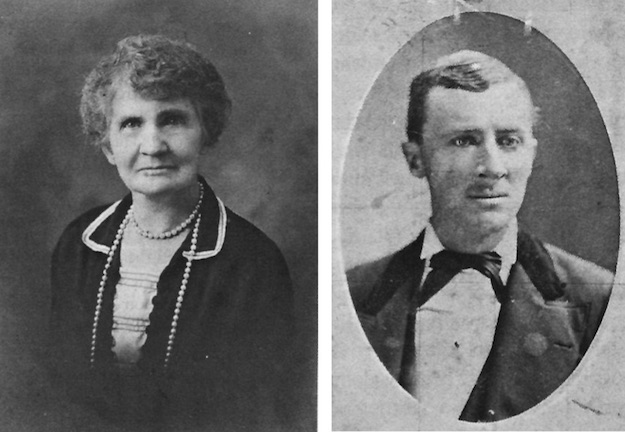
(Left) Mary Britt Pratt (J. Howard Pratt’s mother) and (Right) John Henry Pratt, father.

My folks were very alarmed over my sickness because the little girl across the road, near my age, had died within three months with Diphtheria. This alarmed my parents very much. So they hired a Practical Nurse. She was my father’s niece, Sarah Stevens who had gone from house to house; a Practical Nurse, not a Registered Nurse.

She learned it the hard way. She came and was here all the while that I was sick. She lived here and I remember one of the things she did, under the direction of the doctor: she took a newspaper, rolled it up and made a sort of a little horn. Then she put a teaspoon and a half of dry sulfur in the horn. She would hold her breath and say, “Now open your mouth.”

I would open my mouth and she would blow sulfur down my throat as I held my breath. I was not so sick that I didn’t know about what was going on. I’ll tell you, they tended to me night and day!

Someone stayed up all night. If you did not have a nurse, some of the neighbors would come in and do the night-trick, or part of the night-trick.  Now after a while, I got along so they said that I was a little better and I commenced to gain and come back and I could eat more things. The doctor would come every day for a while, and then he came every other day, and at the last he would come every three or four days.

Hitching post at Cobblestone Museum

The doctor didn’t have a car. First, you drove the horse down to Gaines to call the doctor who went out and harnessed his horse. He would drive back and would tie his horse to the hitching post, and come in. I can remember several doctors tying their horses to that same hitching post. The doctor would charge two to three dollars; they were not very expensive.

After he’d been here once, if there was anybody else sick near here, he would make a circuit up this way and might go to two or three homes after leaving Gaines and traveling to the west. Then he would probably go through Knowlesville or Eagle Harbor, making a circuit and get back into Gaines, or he would go where-ever the next case called him. There was no telephone then. He couldn’t be re-directed from here by a telephone as he could in the later years. After a while I got better, the nurse was discharged and I got up. They took the sign off the house and Florence came home and we lived again as we had been living.

Many times there were lesser diseases: Whooping Cough, Measles, and things like that; colds and so on. In the case of lesser sickness, Mother was the nurse. She was the nurse for the household. She’d had lots of experience with the sickness. At that time they didn’t have as much medicine as today. The medicine you had in the home was Quinine, whiskey, hot water, and hot water bottles, Skunk’s Oil, and Mutton Tallow, which Lanolin is derived from. So when you had a cold, Mother was always on the job with something to break that cold up. We didn’t know whether it was going to be a cold or whether it was going to be the Grippe, so if they thought you were going to be real sick, or if you had any touch of fever, they would commence to load you with Quinine.

We had Quinine in bulk, a little bit of white powder. I remember Father always used to measure it out on the small blade of his jack-knife. It was bitter and we didn’t like to take it but we took it because I’d rather have the Quinine than we would being sick. Then it was followed by things that was hot, to heat you up. The older ones and even the younger children; they would take boiling hot water, as hot as you could drink, and they would put in about a tablespoon of whiskey in a whole cup of hot water, put sugar in it and then you had to drink it. You had to be in bed, and then we had hot water bottles placed around us; mostly glass fruit jars, around us with hot water. Now the idea was to get the patient to sweat. Whenever you can sweat you will break the Grippe or cold.  I remember later doctors coming and giving me pills that caused me to sweat. Sometimes your undershirt would be just wringing wet.

I remember having the flu during WWI, and I remember we had Doctor Waters at that time. (Doctor) Earmon was dead, so Dr. Waters from Knowlesville came here. Tied his horse out to the hitching post and stopped on the stoop and put a handkerchief over his nostrils. It’s the only thing he could do to prevent catching the flu. He came in and he ladled out Quinine and things like that. They did not have, at that time, the medicine that would knock out the serious fevers that they have now.

When the sickness got into Pneumonia, they didn’t have anything that would knock the Pneumonia out at that time. If you got Pneumonia, your chances was only one in two or three that you would get through. That’s what the most of them died with. That’s what got the young and the old because lots of people in the 1920s died. It (flu) wasn’t a disease of the elderly people entirely; everyone had it. I can remember that when I got it, we had a new furnace just put in.


“If you got Pneumonia, your chances was only one in two or three that you would get through. That’s what the most of them died with.”


In addition to other medicine we had Skunk Oil. That was something that you would rub on. Now, that isn’t the Essence-of-Skunk that you can remember by smelling. It had no smell at all. I’ve got some here in the house if you want to try some. But that is good to rub on your chest. Mother would always put a Mustard Plaster on the chest and almost burn you to get the fire in there. I took the Skunk Oil and poured my hand full, like that, and wet my chest, just as if it was water, and rubbed it on there; got right down on my hands and knees and let the heat from the register drive it in, and when that was dry, I’d oil my chest and let it dry in; then I went to bed.

I took all the other medicine and in the morning my fever was relieved, my chest had loosened up. That was one of the things that they did. Now we didn’t have as hard a case of this old Grippe as they do now-a-days. Sometimes it was almost impossible to knock it out. But now of course they have good medicine and they will dope you with pills, even in your blood, if they want to catch you quick enough. Many of the diseases have been headed off by the doctors and their medicine.

In those days we had no vaccination for Diphtheria, not even for Smallpox. I was not vaccinated for Smallpox until I commenced teaching in 1911, and then you had to be vaccinated! And I had to keep that up when I was teaching in different places – being vaccinated every seven years. One time I was so sick with the vaccination that I had to get a substitute teacher.

Death and Funeral in the Home

(As told by J. Howard Pratt – August 6, 1980.)

All of the sicknesses didn’t come out as well as I did and oft times there were deaths in the houses. My Grandfather lived and died in this house and his funeral was here and he was buried from this house. Then, my Uncle Will lived here and he died here. Then when my father lived here, one of the maids, or the girl that worked for Mother, died here with Appendicitis. They didn’t call it Appendicitis, they called it ‘stoppage of the bowels.” Her life could have been saved if they knew what they do now about medicine and had hospitals and medicine to take care of her. Nothing seemed to help her that they gave her. They didn’t have anything that was worth anything anyway at that time.

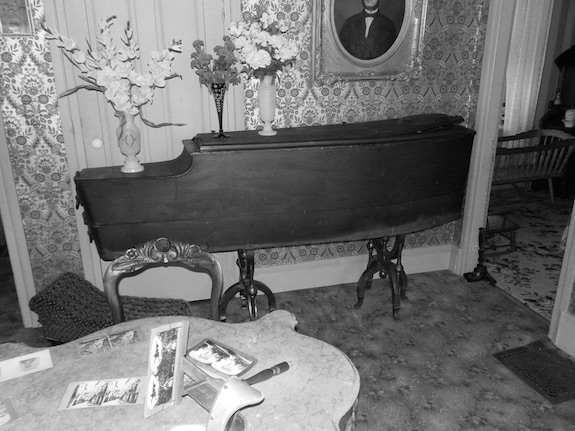
Body Cooler in Victorian Parlor at Cobblestone Museum Ward House. Used in pre-Civil War era, prior to today’s embalming process, to chill the deceased’s body during home visitation.

So, we had many deaths. My wife’s mother died in this house. My wife died here, some eight years ago. The body of the dead was not taken from the home. The Undertaker came here and laid them out in their good clothes. You would go to McNall’s, or whoever you were going to at that time, to select your casket. The family would look them over and order the casket. The undertaker would come here and bring the casket and put the body into the casket. The casket was placed usually in the parlor, in this room here to my right. (NOTE: Mr. Pratt is sitting in his dining room).

They didn’t embalm them as they do now, but they did just a little. Of course the crepe was on the door and there was a time of mourning for the people and many people would come here and call. Usually the third day was the day of the funeral. The Undertakers would come here with a vehicle; it wasn’t a wagon but it was a big cart and they brought lots of chairs, probably 50 extra chairs. They would set them up in your home. If you had lots of room they would fill two rooms with chairs and so when the crowd came, because there usually was a crowd to country funerals, there would be seats for all. But in small houses, I’ve seen the two main rooms of the house filled up and men standing outdoors listening, especially in Mrs. Neal’s which I will mention later.

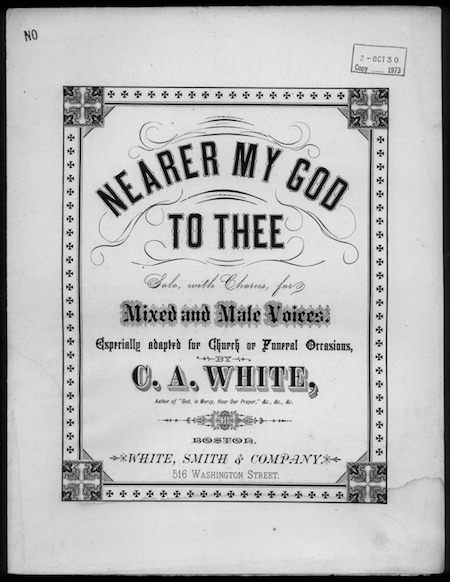
Well, the cost for the funeral was not over a quarter to what it is now. The minister came; you hired the minister that you were with from whatever church you believed in. He preached a sermon. Sometimes in the olden days they used to have singing. My father was a pretty good singer and he and Mrs. Stanley would sing at funerals and usually one song, probably three verses to the song. “Nearer My God to Thee” was one of the favorites.

The minister gave the prayers and readings from the Bible. The funerals were quite an event. The neighborhood stopped work and they all went to the home; even the men would stop work and go there. Some of them would be dressed up and some of them would be in their working clothes. But there was honor that they should go to a funeral, especially with the neighbors. The neighbors were much closer than they are today, and so they all gathered there.

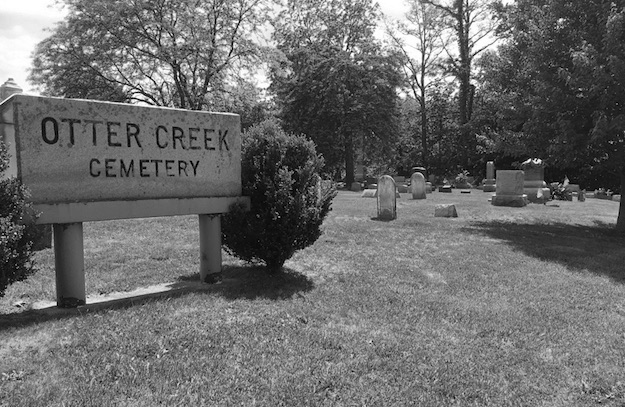
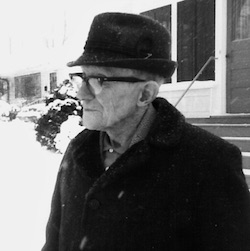
Now, I want to take up the funeral of Mrs. Neal. She lived down just east of the burying ground, the Otter Creek Burying Ground, about two-tenths of a mile. You go down there and I think Hollenbeck lives there now. Mrs. Neal lived there and I remember going to that funeral because I was quite a young man at that time and the men – there were so many at the funeral that we couldn’t all go in; the men and myself stayed outside. The door was open, it was in the summertime, and we could hear a little bit of the sermon but not too much of it. But of course we knew when they got through.  And then, when the funeral was ended, the hearse, which was a horse-drawn vehicle, usually with black horses, there was glass on three sides of the hearse, the back was glass, and the casket was put in the hearse.

Usually there was four pall-bearers, or six if it was a large, heavy person; but that was the usual number, and they were put into the hearse and then they would drive ahead. The minister would go first and then the hearse, and then they would stop a little bit and then the very close relatives would get into a buggy (wagon) or carriage, and they would pull up next to the hearse.

The husband or the wife, whichever one was living, and their children, and then the next nearest relatives, and then the farther relatives from there until the friends ended up the funeral procession. But they would wait until they all were loaded by stopping in the road. It’s two-tenths of a mile from where she lived, over to the burying ground and I remember distinctly that the head of the procession got over there and they were just loading up the last of the friends, showing that the procession was two-tenths of a mile long. That shows how many people went to one of these old country funerals. We thought it was necessary; we thought it was an honor to the dead and we always attended. If they were within a mile or two miles everybody went.

The neighbors would send in food during this time. Usually right after the death for a day or two, and the day of the funeral, the food was sent in. This is one of the things that we still remember about friends in the country. The family used to wear black and all the relatives wore black. If they had black dresses, they would always wear the black dresses. That was the sign of mourning. The other people wore dark clothes if they had them.

Patriotic church service and picnic on July 4 returns to Cobblestone Museum

By Ginny Kropf, correspondent Posted 24 June 2021 at 9:47 am

Provided photos: People gather in the Cobblestone Universalist Church for a patriotic service in 2018. Preaching are the Rev. Susan Frawley from the Pullman Universalist Church in Albion and the Rev. Sheryl Stewart from Gaines Congregational Church.

CHILDS – After canceling last year’s patriotic church service due to Covid-19, the Cobblestone Museum is planning to hold the event this year on July 4.

Everyone is invited for a Fourth of July celebration, beginning with the patriotic service at 11 a.m. in the Cobblestone Universalist Church on Route 104. The service has been organized by board member, the Rev. Don Algeo of the Gaines Congregational Church, with the service provided by the Rev. Susan Frawley  and the Rev. James Gardner.

It will include patriotic readings and reflections. Musical elements of the celebration are being arranged by local musician and Cobblestone board member Maarit Vaga.

After the service, everyone is invited to stay for an old-fashioned Fourth of July picnic on the side lawn (or in the Proctor Room in the event of inclement weather).

“Bring a lawn chair or blanket to enjoy what we hope will be beautiful weather,” said Cobblestone Museum director Doug Farley.

There will be plenty of hot dogs, along with traditional picnic fare. All can be washed down with a glass of homemade lemonade, served ice cold, Farley added.

The event is free of charge, but a free-will offering will be collected to defray expenses.

Maarit Vaga, a local musician and Cobblestone Society board member, is accompanied on the organ by Diana Dudley as she sings during a patriotic church service on the Fourth of July 2018 at the Cobblestone Church.

Historic Childs: Howard Pratt chronicled life on the Ridge (Part 1)

Posted 19 June 2021 at 8:41 am

By Doug Farley, Cobblestone Museum Director – Vol. 2 No. 24

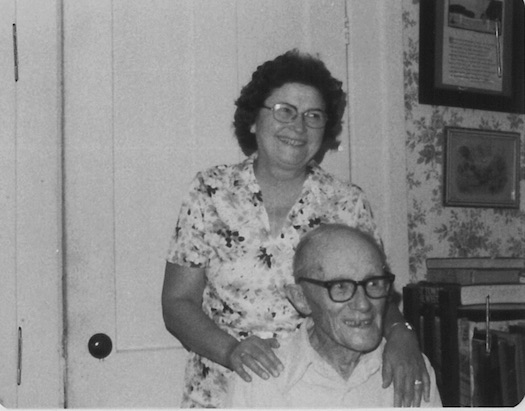
When thinking about the history of the Hamlet of Childs, one’s attention is quickly drawn to J. Howard Pratt (shown at right), who served as Town of Gaines Historian for over 30 years, active in forming the Orleans County Historical Association and one of the founding fathers of the Cobblestone Society.
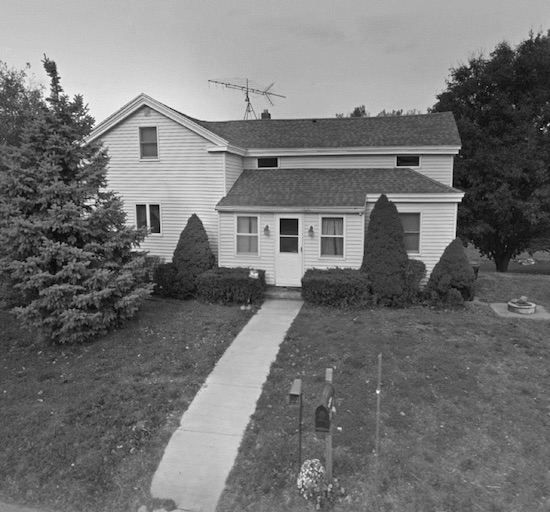
Howard’s appreciation for all things historic led him to become known as Orleans County’s dean of local history, a moniker that stuck with him all throughout his 99-year life.

Mr. Pratt was born on August 15, 1889 to Mr. and Mrs. John Henry Pratt. He and his sister Florence (James) attended rural school on the Ridge Road. Howard was a member of the first agriculture class at the Albion High School, graduating in 1911. Following graduation he attended a training class and earned a certificate to teach in public schools.

Howard’s first teaching position was in 1911 at Riches Corners earning $11 per week. He then taught the upper grades in Barre Center earning $12 per week, a raise in pay he thought to be quite substantial at the time. Later schools where Howard taught included the Bullard District on Ridge Road, Oak Orchard-on-the-Ridge and finishing up his teaching career at Eagle Harbor in 1936.

Pratt homestead, remodeled on several occasions, now Pitman residence

Howard met the love of his life, Leola Budd, and the two were married in 1914. They had four children, Marjorie (Rustay), John, Beth (Nesbitt) and Roger. Pratt lived with his family at 12883 Ridge Road in Gaines for most of his life. The Pratt homestead was originally purchased by Howard’s grandfather in 1842. Howard’s wife Leola died in 1972.

For about 10 years, Pratt spent two weeks each summer at Cooperstown learning crafts. He later became known as the “Chair-Man” and taught chair caning classes in his home. Pratt was the organizer of the first 4-H Club, known as the “Potato Club” and during WWII, he became the Orleans County 4-H Agent. During the three years Pratt served as County Agent, he did 34 radio programs on WHAM.

Following his term with 4-H, Pratt joked that he “retired” to farming. He recalled the days he worked as a farmer and drove cattle from Williamsville near Buffalo to his pasture land on the Ridge, a distance of about 50 miles. The trip took three days to complete. All of that followed a trip to Chicago by train to buy cattle, and then a return ride with the animals in the freight car back to New York. Howard took pride in his prize winning herd of Guernsey cattle. He accumulated about 1,500 ribbons from county and state fairs for his animals.

Pratt remarked that most retellings of the American Experience, fail to mention just how hard it was, and how much sweat it took, to make a living by farming. He also remembered something as simple as the odor that lingered when his mother baked fresh muffins with honey and molasses. Or, he remembered something more specific like the clothes President McKinley wore for the parade at the Pan American Exhibition in 1901 on the day before the president was assassinated.

About the time that Howard retired from farming, the Cobblestone Society was being formed and Pratt was asked to take charge of the Society’s Cobblestone School, a position he proudly accepted and continued for much of his later life. Pratt joined forces with retired cobblestone schoolhouse teacher, Ruth Applegate (shown with Pratt above) and the two were often seen leading school tours at the District #5 Cobblestone Schoolhouse.

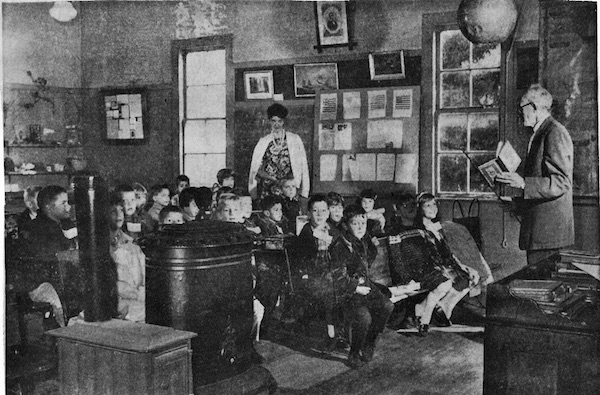
Howard Pratt’s efforts greeting visiting students and leading the “typical day” tour at the one room schoolhouse were cherished moments for hundreds of school children over several decades. Pratt is shown here in the Cobblestone School with students from Barnard Elementary School near Rochester in 1967. He was 78 years old at the time.

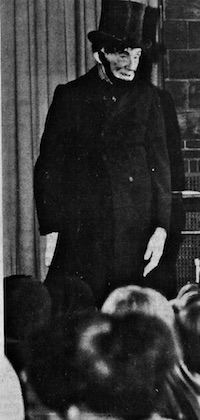
Howard, very interested in Abraham Lincoln, would often dress in Lincoln costume and whiskers and lecture groups of school children about the Great Emancipator.  Pratt recalls that this “impersonation” first began when he was Historian for the Town of Gaines and he decided to pose as the nation’s 16th president during the town’s Sesquicentennial Celebration in the 1959.
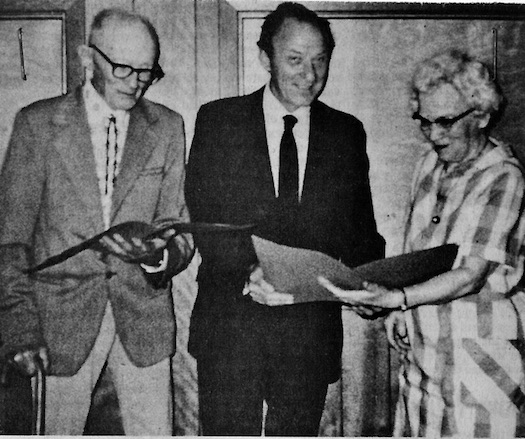
Later, in June 1962, he even made a trip to Washington, D.C., where he was asked to give a talk on the life of A. Lincoln. His convincing first-person presentation at the time was described as “nothing short of startling!” Howard recalled the trip with interest, “At the Lincoln Memorial my resemblance to Lincoln created such excitement that the guards came over and told me I’d better move along. I was getting more attention than the statue.”

Similar excitement erupted at the White House during Pratt’s living history visit. “Everyone wanted to get a picture with me,” he said. Over his many years, Pratt enjoyed presenting Abraham Lincoln to thousands of grade school children throughout Orleans County and beyond.

Throughout his life Howard developed a keen insight into local history. He was first appointed historian for the Town of Gaines in 1957. In 1959 he was appointed Co-Chairman with Cary Lattin for the Gaines Sesquicentennial. In 1960, he was elected to the Cobblestone Society’s first board of directors.

In 1968 Howard received a Certificate of Commendation from the American Association for State and Local History. Howard was instrumental in establishing the Orleans County Historical Association in 1979 to continue the work which was begun for the celebration of the nation’s Bicentennial in 1976.

Howard Pratt with NYS Assemblyman R. Stephen Hawley and local author, Irene Gibson, when the authors were given special commendations from the NYS Legislature in 1980.

As a historian, Pratt turned his story telling ability into writing books on the subject. “Memories of Life on the Ridge” was his first of three books that would tell the autobiographical stories of his life  His first book actually followed a five year stint writing a series of articles entitled, “Saga of the Ridge,” which were published in the Medina Journal-Register from 1964-1969.  Pratt recalled that while writing those earlier articles, many folks asked him when he was going to compile the stories into a book. He responded to that with, “Now I finally have.”  He said, “I never wanted to be a writer, but I always liked telling stories.” Later publications authored by Pratt included “Saga of the Ridge” in 1983, and “Life on the Ridge,” written in 1987 when Pratt was 98 years old.

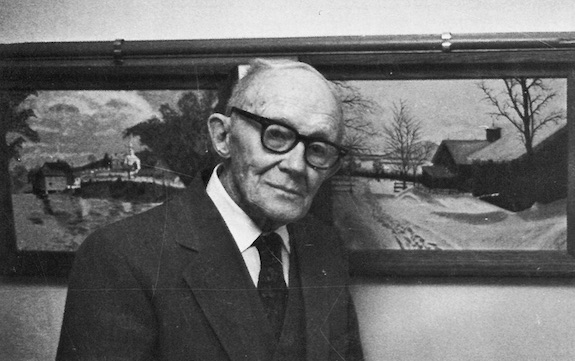
When he wasn’t working on authoring one of his books about local history, Howard Pratt enjoyed his hobbies of painting (two of his paintings shown above), caning chairs, and restoring antique furniture. Howard also liked to travel and took several trips to Europe. On his third trip to Ireland he said, “I finally kissed the Blarney Stone when I was over there this summer. I love to travel and meet people because I learn so much. And, I love to talk.”

Pratt, even into his 90s, was always seen, out and about. At the age of 90 he took a nasty tumble, and fell off his roof while cleaning his gutters.  After nursing his bruises, he was seen later that same year helping with repairs while standing on top of the roof at Pullman Memorial Church. Also at age 90, Howard was seen planting several peach trees in the back of his house.

Howard and his family were long time members of the Pullman Memorial Universalist Church which was dedicated in 1895. Local historian Bill Lattin recalls one time that Howards’ sister, Florence, was asked if she was present at the dedication of the church with George Pullman in attendance. She allowed how both she and her father attended. The inquisitor asked next, “Florence, did your brother Howard attend, too?” Florence replied with a droll little smile, “No. He was naughty and had to stay home.”

Sadly, Howard died at age 99, just a few months shy of his 100th birthday. He did however reflect earlier about his long life and said, “There’s no real secret to longevity. Stay active and keep working at what you enjoy.”  Another typical Pratt witticism was “Everything comes to him who waits, if he works while he waits.”

Historic Childs: Norris Vagg served Rochester as prominent newspaper executive

Posted 7 June 2021 at 11:44 am

By Doug Farley, Cobblestone Museum Director

Norris Wilbur Vagg, born on October 25, 1903, grew up in the Hamlet of Childs, the son of Joseph and Nellie Vagg who owned and operated the blacksmith shop at Childs during the first half of the 20th century.

Norris’ sister, Melva (Warner) Vagg rounded out the family of four who lived in the house next to the blacksmith shop at the south west corner of the intersection in the Hamlet. The story of Norris Vagg’s life may have had an inauspicious beginning to be sure, but an early appreciation for the subtleties of spelling and the English language would propel him on a lifelong career that would take him to one of the highest offices of the region’s foremost newspaper.

Like all children in the Hamlet of Childs in the early 1900s, Norris attended the Cobblestone District No. 5 School just up the road from his home.  His written reflection on a one-room schoolhouse education follows:

“It had no swimming pool, no gymnasium, not even inside plumbing, but the old cobblestone District No. 5 one-room schoolhouse was a place of learning. We didn’t start French or Spanish in third grade, but we did learn to read, write and spell English. We had Christmas and Easter vacations and sometimes took time to plant a tree on Arbor Day, but the rest of the time we LEARNED. 

We learned to concentrate while other classes recited. Our work done, we learned by osmosis and eavesdropping when those other reciting grades were more advanced than ours. I learned you could make money writing by winning a countywide Women’s Christian Temperance Union (WCTU) essay contest, and I learned you could lose it by missing one word of 500 in a similar spelling contest.

No gymnasium? The entire outdoors (for a 15 minutes recess) was there for baseball, wrestling, foot-racing, and acrobatics on the ledge halfway up the cobblestone walls or a bicycle rodeo for the admiring girls.  Teachers didn’t interfere nor referee unless blood-letting started.

Teaching was tutoring, because each of us had individual attention I wouldn’t trade a moment of it for the mad rush of buses, hurrying through crowed corridors, cafeteria rowdyism and the impersonality of 25-in-a-centralized-one-grade schoolroom today. But then, like District 5, perhaps I’m old beyond my time.”

Winning spelling and essay contests in grade school were certainly a harbinger of big things to come in the life of this local boy.  After completing his early education and graduating from Albion High School, he matriculated at the University of Rochester in 1922.

Norris Vagg, family photo 1920s

Norris Vagg’s enjoyment of countless baseball games played during recess at the cobblestone schoolhouse and later at Albion High School, actually earned him the Varsity Shortstop position on the U of R team.

While living in Rochester, Norris started work as a “copyboy” at the Democrat & Chronical in that city, a job that typically involved carrying “copy” or typed story articles, from one room in the newspaper building to another, along with general errands and “gopher” responsibilities.
Norris, called “Red” by his friends and associates, soon advanced to the Assistant to the Western New York Editor.  From the Vicinity Desk he moved to the City Desk as a Staff Reporter. Later, he was Assistant to the Financial Editor, a Copyreader and Makeup Editor.

In 1934, Vagg was named Day City Editor. Three years later he took over the Night City Editor desk. In 1942, Vagg became head of the Copy Desk and a year later News Editor, also serving as Sunday Editor.  He was named Assisting Managing Editor in 1949.  In 1960 at the age of 56, thirty-eight years after starting work at the Democrat & Chronicle, Norris Vagg became the paper’s Managing Editor, a positon he held until his retirement in 1968.

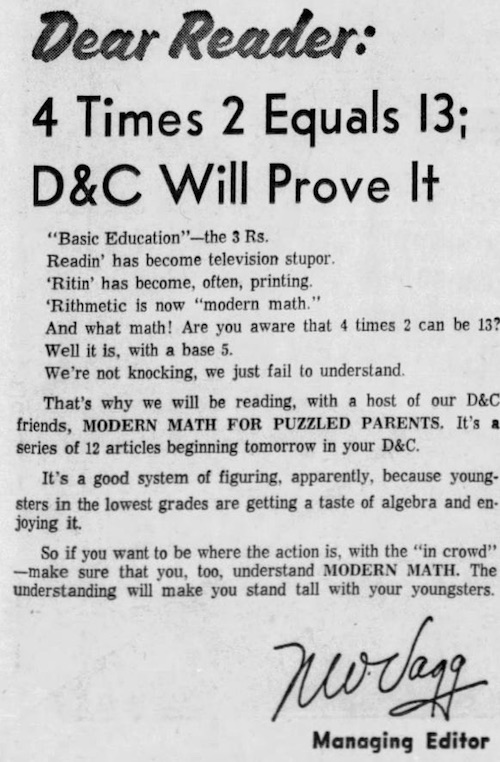
Throughout his many years at the newspaper, Norris wrote and supervised the writing of thousands of articles.  It has been said he looked for a little humor in every situation, as demonstrated in the following article in 1966 that described a parent’s dilemma with Modern Math.

Henry Ott demonstrates the forge at the Vagg Blacksmith Shop in 2018

Even though Rochester became his home, Norris Vagg maintained his strong feelings for the Hamlet of Childs and the little blacksmith shop that had formed the basis for much of his early life. His Father, Joseph, operated the community’s blacksmith shop until his death in 1956. The author, Arch Merrill, described Joseph Vagg as “the last of the blacksmiths along the Ridge.” Norris reflected on life as a blacksmith’s son, and the tragic fire that disrupted the pace of the Hamlet in 1921.

“Still half asleep, I jumped from bed as ‘red Daylight’ filled my second floor bedroom, reflection of raging flames consuming Dad’s original blacksmith shop at Childs, about 20 feet from our house.

Sleep was brief that fall night as my sister Melva and I had attended a dance at Co. F Armey in Medina, fighting fog coming home on my first effort at night driving without adult support. Rest of that night was spent watching firemen protect the house and sitting alongside the shop ruins with Dad until nearly daylight.

Other crowding recollection include help farmers gave Dad in rebuilding; Mother helping in the shop until I developed muscled enough for some assistance; hot, rainy muggy days when farmers couldn’t work outside but could overfill the shop with horses and give themselves a holiday gabfest, and how Dad could disperse conversationalists crowding too close with a well-directed shower of sparks as he welded calks to shoes.

And most valuable, perhaps, was the lesson in clear, succinct communication administered by Dad after I had trained at the anvil and proudly showed off my educated observations in sizing horseshoes as he worked the floor by asking: ‘5s or 6s, Dad?’ His invariable answer: ‘Yes’. ”

Joseph & Nellie Vagg, 45th Anniversary Celebration, 1948

Norris’ mother, Nellie, made arrangements to give the blacksmith shop to the Cobblestone Museum in the event of her death so that people for all times could see sparks fly out of the open door, and hear the sound of the anvil, and feel the heat of the forge.  That transfer of ownership took place following Nellies death in 1975, and the Cobblestone Museum held a Dedication Service on May 28, 1978.  Norris and several Vagg family members attended the dedication.  At that service, Norris’ sister, Melva, remarked:

“My fondest memory of the blacksmith shop was watching the sparks fly as my Dad shaped the red hot irons on the anvil. The only work I remember doing was bolting the steel tires to the buggy wheel rims. We often worked by lantern light in to the late evening. My brother and I didn’t realize we were being supervised. We thought we were helping and I guess we were. The work I remember best was washing the dishes in the house so my Mother could give Dad some real help. Those were the days of happy memories.”

Norris Vagg, a favored son of the Hamlet of Childs, died on December 30, 1985 at the age of 82, in Henrietta, NY, after losing a 12 year battle with Lou Gehrig’s Disease. At the time of his death, his fellow journalists at the Democrat & Chronicle described him as, “One of the finest people I know in the newspaper business.”

Another spoke of his 46 year newspaper career, “He worked his way up from copyboy to managing editor, and held every job in-between.” His daughter-in-law, perhaps summed it up best. “The newspaper was his life!”

Historic Childs: Pioneer women were critical in settling hamlet

Posted 29 May 2021 at 8:23 pm

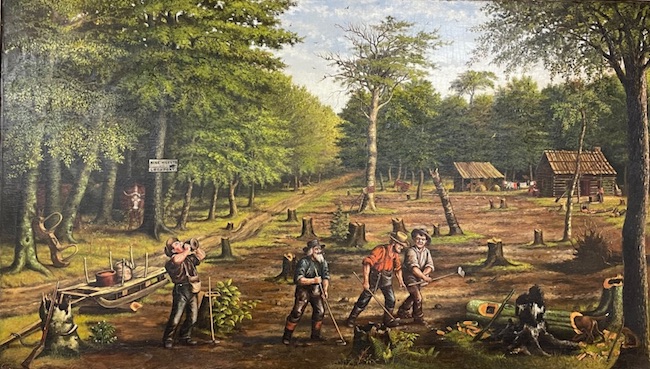
“The Pioneer Clearing,” – Emery A. Philleo, 1888, courtesy Niagara County History Center

By Doug Farley, Cobblestone Museum Director

Volume 2, No. 21

Authors note: In preparation for a prior article written to highlight the story of Delia Robinson in the Hamlet of Childs, I was fortunate to have been drawn to her book, “Historical Amnesia,” wherein she describes a few of the amazing stories of women in the pioneer settlement of the community.  With Dee’s help, as well as a few others, I present this article on Pioneer Women in the Hamlet of Childs.

It’s seldom been mentioned, but common sense tells us that roughly 50% of our pioneer settlers were women. The majority of settlers in this county were immigrating from New England or from eastern New York settlements. These men and women brought with them strong moral and religious convictions, along with an amazing appreciation for the value of hard work.

The everyday activities for both men and women centered on securing food, clothing and shelter. To quote a phrase that has grown out of fashion, “women’s work” meant preparing the food, sewing clothes, assisting with the crops, and helping build and then maintain the early log, brick or cobblestone home. It has been said, “A man works from sun to sun, but a woman’s work is never done.”  But, perhaps Dee Robinson said it best, “Women’s skills were a necessity, not a nicety.”

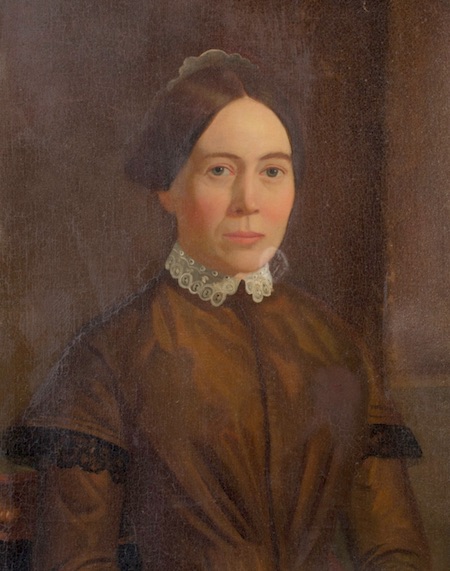
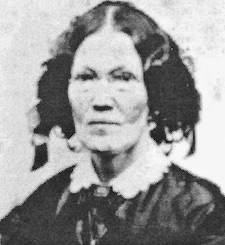
Mary Jane P. Danolds, unsigned, c1855, The Cobblestone Society & Museum

After setting up the initial settlement, two other emerging priorities were always schools and churches. In the Hamlet of Childs, women were front and center in the development of the religious society through their efforts in the formation of the Universalist Church, and also through serving as teachers for the District #5 Schoolhouse.  In these endeavors, pioneer settler Mary Jane Danolds, shown above, is credited by historians with proposing the first name for the church, “The Church of the Good Shepherd.”  In like manner, for the hamlet’s school, in its 103 years of service to the district, over 30 different women served as teachers, outnumbering men two to one.

Women’s work in the hamlet was arduous and time consuming.  Starting with taking care of the log house, it included the everyday chore of sweeping the ever-present dirt floor and tending to the wood burning fireplace with its constant infusion of soot and dust into the home. Cooking three square meals daily over an open fire seems tough enough, but add to that the preservation of meat and vegetables for winter use through smoking and canning, all without running water, and one begins to appreciate the monumental task presented in just feeding one’s family.

Now add making soap, candles, thread, spinning, weaving, bearing and raising children, planting and harvesting crops, chopping wood, washing, mending, and the list goes on. Years ago, people used to say of a local couple where the husband was rather sedentary, “Hubby holds the lantern while Grace chops the wood.”

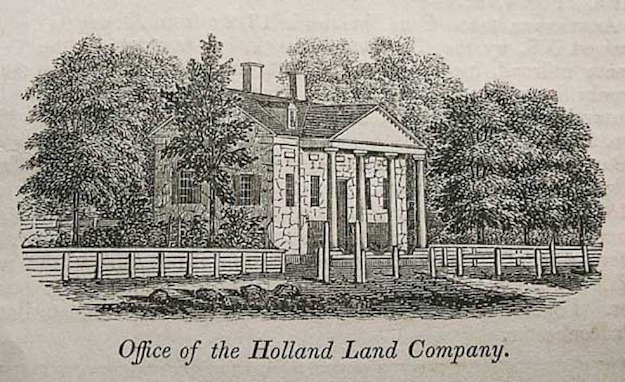
Courtesy Holland Land Office Museum

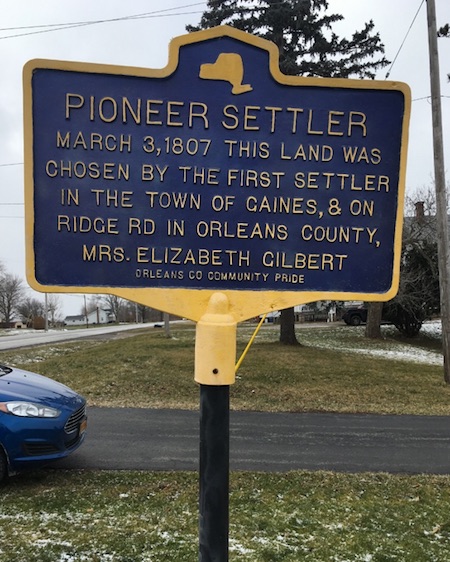
Every community is proud of its list of “firsts,” be it first church, first doctor, first store, first stone mason and more. But few, like Childs, can document that their first pioneer settler was a woman. In the records of the Holland Land Office in Batavia, one can see the first recorded “article” of land in what we now know as the Hamlet of Childs, was taken by Elizabeth Gilbert.  Her land, a little over 123 acres, located on the Ridge near today’s Brown Street Road, was assigned to Mrs. Elizabeth Gilbert for the payment of $1.

Those requesting an article of land, then had ten years to pay the remainder of the purchase price, usually about $2.50 per acre, at which time the deed would be given to the settler.  Elizabeth arrived in the region in the early 1800s with her husband, but no known record exists that lists her husband’s name.  Two years later, in 1809, Mr. Gilbert died.  Elizabeth and her niece and two children remained on the article of land and continued to make the payments. During that time, Mrs. Gilbert tended to all of the normal “women’s work,” and assumed with panache all of the hunting, fishing, plowing, sewing seed, tending animals, building barns, harvesting crops, felling trees, handling the ox team, and many more duties that would normally have fallen upon her husband.

Historians record that Elizabeth Gilbert not only attended to her own farm and household, she was present when her neighbors, Noah and Polly Burgess, arrived to their wilderness “article.” Not unlike Elizabeth’s own husband, Noah Burgess fell sick shortly after his arrival, and the difficult work of cutting trees, dragging them to the building site with a team of oxen, and building a log cabin was attended to by Polly Burgess and her neighbor, Elizabeth Gilbert.

The work of the farm wife, while often times unnoticed by historians, in some instances, when the household chores fell upon the male in the family, a record of the disturbance was made. One such record can be found in 1825 when an early settler wrote, “I can get no girl to work and I was obliged to take care of my sick wife and do all my work indoors and outdoors. I (also) had to milk, churn, work butter, wash and iron clothes, mix and bake bread, and in fact do all that had to be done. I finally found a woman to work until my wife got able to be about.”

The death of a pioneer husband many times forced young families to pick up stakes and head back east to the security offered by other family members. But, alternatively, many fatherless families decided to stick it out and stay with their articles of land, doing the chores and doing what was necessary to pay the Holland Land Office for their properties.
If a husband died intestate (without will), Surrogate Law said a widow had use of 1/3 of her husband’s estate during her lifetime, a provision that was called a dower.  This included 1/3 of the acreage as well as the dwelling. In several instances, this provision was applied with exacting detail.  One case reads, “The widow has use of the south part of the lower room of the dwelling house, divided by a line running from the south side of the bedroom door to the center of the fireplace, including the room south of the chimney. Also, the south part of the chamber as it is portioned off with the privilege of a passage in the north door and entryway and stairs into the chamber. Also, all the scaffold over the stable and barn floor, the south bin of the granary and the west stall in the stable, with the right to go in and out at the door, together with the land on which the above described parts of said buildings stand.”  Fifteen women from 1828-1855 claimed their right of dower in Orleans County.

Cynthia Lee Proctor

It is rare to find an early history of the hamlet written by a woman. A few exceptions exist and their written point of view brings clarity to the lives of the “silent half” of the local citizenry. The following commentary was penned by Cynthia Lee Proctor, fourth wife of John Proctor of Childs. It was written in 1870 at the request of the Pioneer Association of Orleans County which formed in 1859.

“Having often been solicited to give a history of my pioneer life, I have excused myself by thinking that no event of my life has had been of sufficient import to record it. But as the interest of our society depends upon individual experience, such as it is, I give it to you.  I was born in the town of Wardsboro, state of Vermont, in the year 1803. My father and mother, John and Sara Lee, were natives of Massachusetts and moved to Vermont shortly after they were married, where they remained until 1804 when they moved to New York. My mother had 12 children, ten of whom survived her. In the spring of 1816, my father and eldest brother Charles Lee, came to this far west county to look for land. They made a purchase on what was then the Town of Gaines, County of Genesee. (Note: Orleans County not formed until 1824.)

In a short time, two of my brothers and a hired man started on foot, one hundred and fifty miles, to commence the new and strange enterprise. They cleared the land, got in five acres of wheat, built a log cabin and chopped down 7 acres of timber, preparatory for clearing off and putting in spring crops.  On the last day of February 1817, our family, 12 in number, arrived at our new home, in which was a young man and his wife who had taken shelter until they could build a log cabin. I was the youngest of four unmarried sisters. The oldest went east that summer to teach school, as there was not a schoolhouse, I think, south of the Ridge Rd.

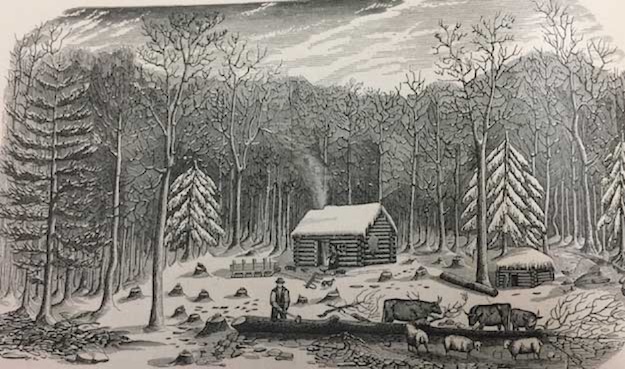
The Pioneer Homestead – courtesy Orleans County Historian

Our floor was split logs and the doors were blankets, as yet no doors could be obtained.  It was not long before we had board for chamber (bedroom) floors, doors, windows, also a chimney and oven.  They made bedsteads of round poles called Genesee bedsteads, but they answered every purpose and most happy were we when we had a chamber to put them in, although the way to reach it was by a ladder.

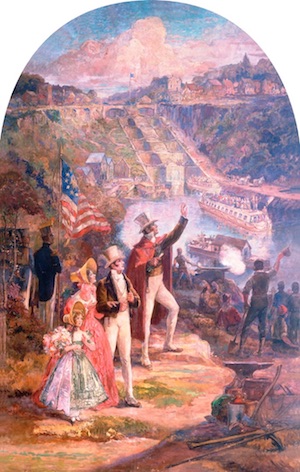
“The Opening of the Erie Canal-October 26, 1825,” Raphael Beck, 1928, Courtesy Niagara County History Center

It was not long before our spinning wheels were got in order and the hum of four wheels indoors and as many axes outdoors was the only instruments of music. But not infrequently did our voices rise above the continual din and echo on the surrounding woods.

We walked twice during the first summer to Maple Ridge to attend meeting, which was held in Mr. Wyman’s barn. I think Elder Gregory preached.  (The author notes these were more than likely Methodists.)

Late in the fall of that year, my father got his horses home, which had been pastured in Ontario County. Cattle could get their living in the woods, the only trouble was the flavor of the milk and butter, and hunting for the cows. The boys would start after them, taking a tin horn so it they lost their way or got belated, they would blow the horn, and then we would do the same from the house, and they could then follow the sound.  That was a dismal sound when we heard the horn in the evening and frequently the howl of wolves at the same time. On one occasion every one of the family was awakened from sleep by the noise of the wolves not more than fifteen rods from the house. They had attached a flock of sheep and killed five and most likely would have killed them all if they had not got fighting among themselves and aroused the family.

After we got horses, my sister and I took a ride of 13 or 14 miles to visit a friend in the Town of Yates or North Woods as we used to call that section of country north of Ridge Road. After we got to the Ridge, the ride was delightful. We went about three miles north of the Ridge, but what a road, if road it could be called. The mud and water would frequently come up to our feet in the stirrups. I had no desire to visit the place again, and did not in some 20 years, when I could hardly realize it was the same place.

I think as the youth listen to stories of pioneers, they are apt to get the impression was one of hardship, privation and toil, but such was not my experience. We had our social pleasures just as much, then as now, but less time to argue about styles, conventionalities or grades of society. Ture, we labored hard, but that was the fashion, and we all adopted it. An indolent man or woman was not in fashion.

Another source of joy, which none but a pioneer could appreciate, was to witness the improvement constantly going on, and our hope of better days more than realized after the first year. With what joy the (Erie) canal was received and surely it was the making of western New York at that time. By this way it was my privilege to come to Medina on the first boat that passed through to this place.

My sister, Esther, who married William C. Tanner, taught school in Eagle Harbor in 1821. A little incident took place in the school worth mentioning. All at once a little boy called out ‘a snake, a snake,’ and there in the corner of the room was a black snake crawling up the log with evident intention of getting upstairs. She had nothing to encounter so formidable a foe and sent the children for help, but he was gaining his point so fast she took the log of a bench, pulled him down and killed him.  It measured 5 feet 9 inches.  I taught in the same house the next season and I kept a good watch for snakes. I taught six months at $1 per week, the then common price.

In 1823 we buried our dear father and mother. They were surrounded by their children, not one having settled more than four miles from home.

I am thankful to my Heavenly Father that I have been permitted to live in this period, from the wilderness to behold this beautiful country; from ignorance and superstition to see the love, science and a consistent view of the character of God enlightening the minds of the rising generation and bring all souls more in harmony with His Divine Law. Love to God and Love to man.  Cynthia Lee Proctor”

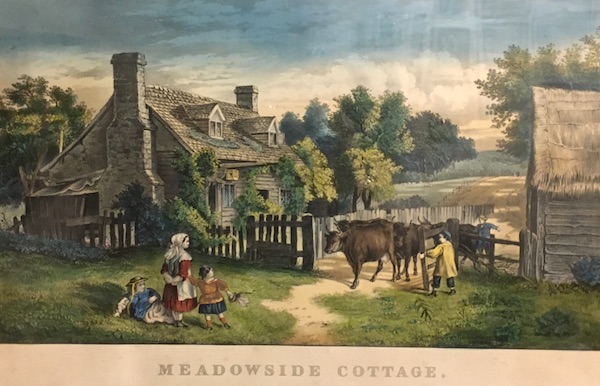
Lithograph from the Cobblestone Museum Collection

Historic Childs: Hamlet named for judge who grew up in Gaines

Posted 22 May 2021 at 8:21 am

By Doug Farley, Cobblestone Museum Director

Henry Childs

Author’s note: Webster’s Dictionary defines “eponym” as a person or place that something or someone is named after. One nice benefit of writing articles on the history of the Hamlet of Childs has been that I learn a lot in the process. Such is the case when I learned the eponym for the Hamlet of Childs, namely NYS Supreme Court Justice Henry A. Childs.

Henry Augustine Childs was the eldest son of Levi and Ann (Wright) Childs, born in the town of Gaines on July 17, 1836.  After finishing his early education at the Albion Academy, he started to fulfill his childhood ambition to become an attorney, by studying law under Benjamin Bessac in Albion.

Four years later he was admitted to the bar and associated with the firm of Sickles and Graves in Medina. In 1868 Henry was elected Orleans County District Attorney, an office he held for nine years, until 1877.

It came as no real surprise to his fellow Orleans County residents that Henry’s name was placed in nomination for a Supreme Court Justice position with the Western District of New York at the Judicial Convention held in Buffalo in 1883.

He was elected by a large majority and served with distinction in that office from January 1884 until his death in May 1906. His jurisdiction covered Erie, Niagara, Orleans, Genesee, Wyoming, Allegany, Cattaraugus and Chautauqua counties.

Judge Childs married Julia Freeman in 1859 and they had three children. Their family home, seen here, later known as The Maple Crest Inn, is located on the corner of W. Center Street and Prospect Avenue in the Village of Medina. Incidentally, Henry Childs’ son Milford W. Childs Sr. married Pearl Cook, daughter of S.A. Cook, a significant person in Medina history, through his furniture business, the S.A. Cook building etc. Their son, Milford II’s wife Elizabeth, died in January 2021 at the age of 99.

The Medina Tribune published a very enlightening article in 1884 regarding Child’s Supreme Court nomination. “The people…were delighted with the nomination of Mr. Childs for justice of the Supreme Court and the citizens of this county feel greatly honored at his selection as one of the candidates for the position. Mr. Childs is a gentleman in the prime of life, whose character in every respect is above reproach and of the most excellent kind, and whose knowledge and ability will make him one of the best and ablest judges. He possesses the confidence of his neighbors and fellow citizens to the fullest extent, and they are highly gratified at the honor bestowed upon him which they know to be justly merited. This nomination was not the result of any trick or political intrigue but because the convention regarded him as the strongest name to be placed on the ticket.”

Judge Childs’ local fame in the Hamlet of Childs came about in 1897 when the residents of “Fairhaven” wanted to open a U.S. Post Office in that name.  That’s most likely when the citizens learned that the name Fairhaven, was, unfortunately, already taken. Postal regulations only permit one post office in the state to use the same name, and Fair Haven was already spoken for in a small town near Oswego. That’s when the decision was made to register the name of the community as Childs, NY.

Hamlet of Childs, early 1900s

The first post office for Childs was located in George Geringer‘s General Store, located at the corner of Ridge Road and Oak Orchard Road in the Hamlet. The Postmaster of Childs in 1897 was Oris C. Knapp. The post office had a short life, closing up shop in 1902, when the mail for Childs was transferred to Albion, a situation that continues to this day.

Judge Childs was selected for the hamlet’s namesake because folks felt he personified the high ideals and integrity of the community, all the while demonstrating the axiom of “A Local Boy Who Makes Good.” It was very fitting that the community was named after Henry Childs during his lifetime. Many times, that sort of honor is done posthumously.

Henry Childs died in 1906 and was buried in Boxwood Cemetery in Medina, shown here. Boxwood Cemetery was established in 1849, and is the resting place of many early settlers. The cemetery includes approximately 5,000 marked burials in the cemetery, spanning from 1849 until the present day. It features entrance ways flanked by Medina sandstone columns and wrought-iron gates built in 1925. Also located in the cemetery is a Gothic Revival style chapel built in 1903 of rough-cut red Medina sandstone, just three years before Justice Childs’ burial.

Judge Henry Childs’ death in 1906 ended his legal career, but it’s fitting that his life still lives on in the community that bears his name.

Historic Childs: Photos from the Town of Gaines 175th Anniversary Parade in 1984

Posted 15 May 2021 at 4:13 pm

By Doug Farley, Director of Cobblestone Museum

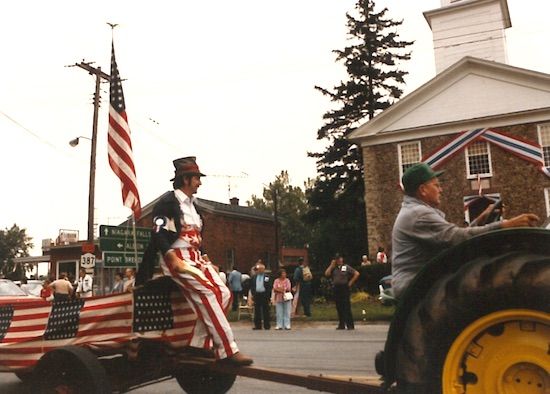
GAINES – The expression, “Everyone Loves a Parade,” was certainly true in the Hamlet of Childs with the throng of onlookers and parade participants for the Historic Gaines Jubilee Parade in July 1984, celebrating the Town’s 175th Anniversary.

Linda Snyder and friend wave to onlookers with smiling faces all around at Harbor Crafts. The H&A Superette and Liquor store are seen in the background.

Elizabeth Vick (Church Historian), Arnold Vick, Alice & Earl Cole and Nancy Good celebrate 200 Years of Methodism.

American Legion Auxiliary, Albion

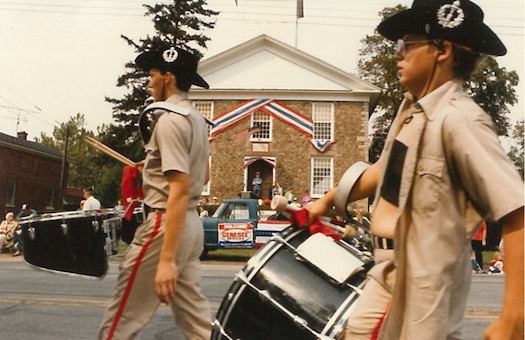
Lois Reid sets the pace for the members of the NYS Award winning Night Watch Drum and Bugle Corp. Scott Parker was the drum instructor.

More members of the Firemen’s Parade Champions, Knight Watch.

What’s a birthday celebration without cake? Gaines Congregational Church Float.  These little tikes are probably 40 years old now.

The Cobblestone Universalist Church is decorated for the patriotic observance.

Even the horses got dressed up for the occasion.

Hey somebody has to do it! With all the horses, the pooper scooper is a necessity.

Ridge Equipment is ready to give Ol’ Betsy a boost.

Legionnaires help celebrate.

Thank you for your service! We salute our Vietnam vets, Genesee Valley Chapter!

Mary Ann Pixley is riding high in this equestrian unit.

Ingrid LaMont is all smiles, and husband Roger is keeping a watchful eye.

Dig those white sidewall tires!

Queen for a day!

Uncle Sam gets a lift.

We honor and respect our firemen. Richard Tibbitts marching in line.

Where’s your pants, Pete?

Clowns and more.

Frenchy’s Appliance: Entertainment: Then and Now.  (Looks like “Now” is a little outdated today.) But, Everett “Frenchy” Downey is still going strong.

Lamont Storage, Densmore Road, Albion.

Ruth and Robert Brown riding their historic John Deere tractor.