

















Men’s Health by Decade: It’s never too early to take charge of your health
Press Release, Orleans Community Health
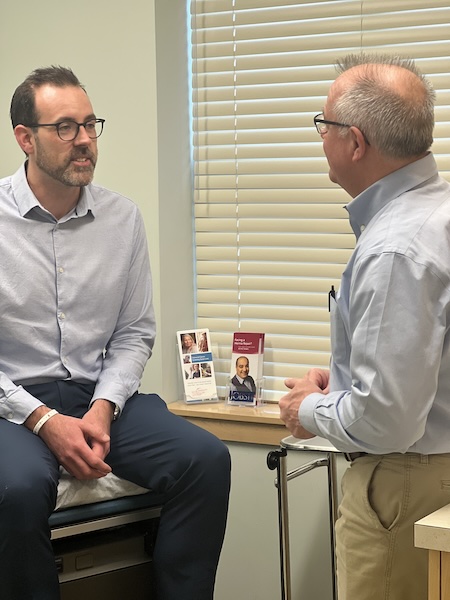
Provided photo: Scott Robinson, directing of marketing, communications and outreach at Orleans Community Health, talks with Dr. Robert Hodge, a surgeon.
MEDINA – June is Men’s Health Month, a time to encourage men to take a proactive approach to their health and well-being.
While many health conditions can develop quietly over time, routine screenings, healthy choices, and regular conversations with a primary care provider can help identify concerns early and improve long-term health outcomes.
No matter ones age, preventative care is important. Understanding the recommended screenings and healthy habits for each decade can help men stay healthy and active for years to come.
Ages 18–29: Building a Strong Foundation
Young adulthood is the ideal time to establish healthy habits and create a routine for years to come. Even if you feel healthy, annual physical exams are important for monitoring overall wellness and identifying potential concerns early.
Recommended screenings during this decade include regular blood pressure checks, cholesterol screening as recommended by your provider, sexually transmitted infection (STI) screenings when appropriate, and mental health evaluations.
Healthy habits should focus on regular physical activity, including both cardiovascular exercise and strength training. Maintaining a balanced diet, avoiding tobacco and vaping products, limiting alcohol consumption, and practicing safe sex are also important. Developing healthy ways to manage stress and support mental health can have lasting benefits throughout adulthood.
Ages 30–39: Prioritizing Heart Health
As men enter their thirties, responsibilities might be expanding and increasing. The demands centered on a career, family, and finances can make it easy to put personal health on the back burner.
Annual physical exams should continue, along with yearly blood pressure checks and cholesterol screenings as recommended. Men who are overweight or have risk factors may also need diabetes screening.
This decade is an important time to focus on cardiovascular health through regular exercise and nutritious eating habits. Maintaining muscle mass, prioritizing quality sleep, and addressing signs of stress, anxiety, or burnout can help prevent health issues later in life. Continuing to avoid tobacco products and limiting alcohol consumption remain key factors in long-term wellness.
Ages 40–49: Prevention Becomes Increasingly Important
Many chronic health conditions begin to emerge during the forties, making preventive care more important than ever.
Men should continue annual physical exams and routine monitoring of blood pressure and cholesterol levels. Diabetes screening is often recommended every few years, depending on individual risk factors. Around age 45, colorectal cancer screening should begin for most adults. Men should also discuss prostate cancer screening and prostate-specific antigen (PSA) testing with their healthcare provider to determine what is appropriate for their individual situation.
Lifestyle habits should include regular cardiovascular exercise and strength training to help preserve muscle mass and maintain a healthy metabolism. Managing stress, maintaining work-life balance, and ensuring adequate sleep can also support overall health.
Ages 50–59: Staying Active and Engaged
By the fifties, preventive screenings become even more critical for detecting health concerns before symptoms appear.
Recommended screenings include annual physical exams, routine colorectal cancer screening, prostate cancer screening based on provider recommendations, and regular monitoring of blood pressure, cholesterol, and blood sugar levels. Vision and hearing evaluations should also become part of routine preventive care.
Staying physically active is one of the best ways to support heart health, maintain strength, and protect joint function. Men should continue focusing on healthy eating habits, avoid tobacco use, limit alcohol intake, and remain socially engaged. Regular preventive visits help ensure that health concerns are addressed before they become more serious.
Ages 60–69: Protecting Independence
During the sixties, maintaining mobility and managing chronic conditions become priorities for many men.
Annual physicals should continue, along with recommended prostate and colorectal cancer screenings. Men who have risk factors may also benefit from bone density evaluations. Regular vision and hearing screenings can help maintain safety and quality of life.
Physical activity should include exercises that support strength, flexibility, and balance to reduce the risk of falls and injuries. Staying mentally active through hobbies, learning opportunities, and social engagement can also support brain health. Keeping vaccinations current remains an important part of preventive care.
Ages 70 and Beyond: Healthy Aging
Good health remains important at every age. For men over 70, healthcare providers often tailor screenings based on overall health status, medical history, and individual needs.
Annual wellness visits, vision and hearing checks, fall risk assessments, and medication reviews help support healthy aging. Maintaining mobility, independence, and safety are key goals.
Nutritious eating, regular physical activity, social connections, and mental stimulation can all contribute to a higher quality of life. Even small amounts of daily movement can provide meaningful health benefits.
Make Your Health a Priority
No matter your age, preventive care is one of the most effective tools for maintaining good health. Routine screenings can help identify problems early, when treatment is often most effective.
As part of its ongoing commitment to community wellness, Medina Memorial Hospital will host a Men’s Health Fair in November. The event will provide valuable health information, resources, screenings, and opportunities for men to learn more about taking control of their health.
Men’s Health Month serves as an important reminder that investing in your health today can lead to a healthier tomorrow. Whether you’re 25 or 75, now is the perfect time to schedule a checkup, talk with your healthcare provider, and take steps toward a healthier future.